Aging in Place with Confidence: 7 Interior Changes to Make Before You Need Them
Most homeowners don’t plan to “age in place.”
They plan to stay.
To remain in the home they love, surrounded by memories, routines, and comfort.
The smartest aging-in-place designs aren’t reactive or clinical. They’re intentional, beautiful upgrades that support safety, mobility, and independence long before a fall, injury, or health change forces rushed decisions.
At Thornton Design, we believe the best time to plan for the future is when life still feels easy. Through thoughtful interior renovation and space planning, we help our clients make design decisions today that allow them to live comfortably, confidently, and independently for years to come.
Below are 7 interior changes we recommend making before you need them, so your home continues to support the way you want to live.
1. Smarter, Safer Lighting Throughout the Home
As we age, our eyes need more light to do the same tasks. Shadows become more difficult to read, glare feels harsher, and dim spaces quietly increase the risk of falls.
One of the simplest ways to support aging in place is to upgrade lighting as part of a broader interior home remodel. This may include filling dark corners with additional fixtures, adding under-cabinet lighting in the kitchen, and ensuring hallways, staircases, and entrances are bright and evenly lit.
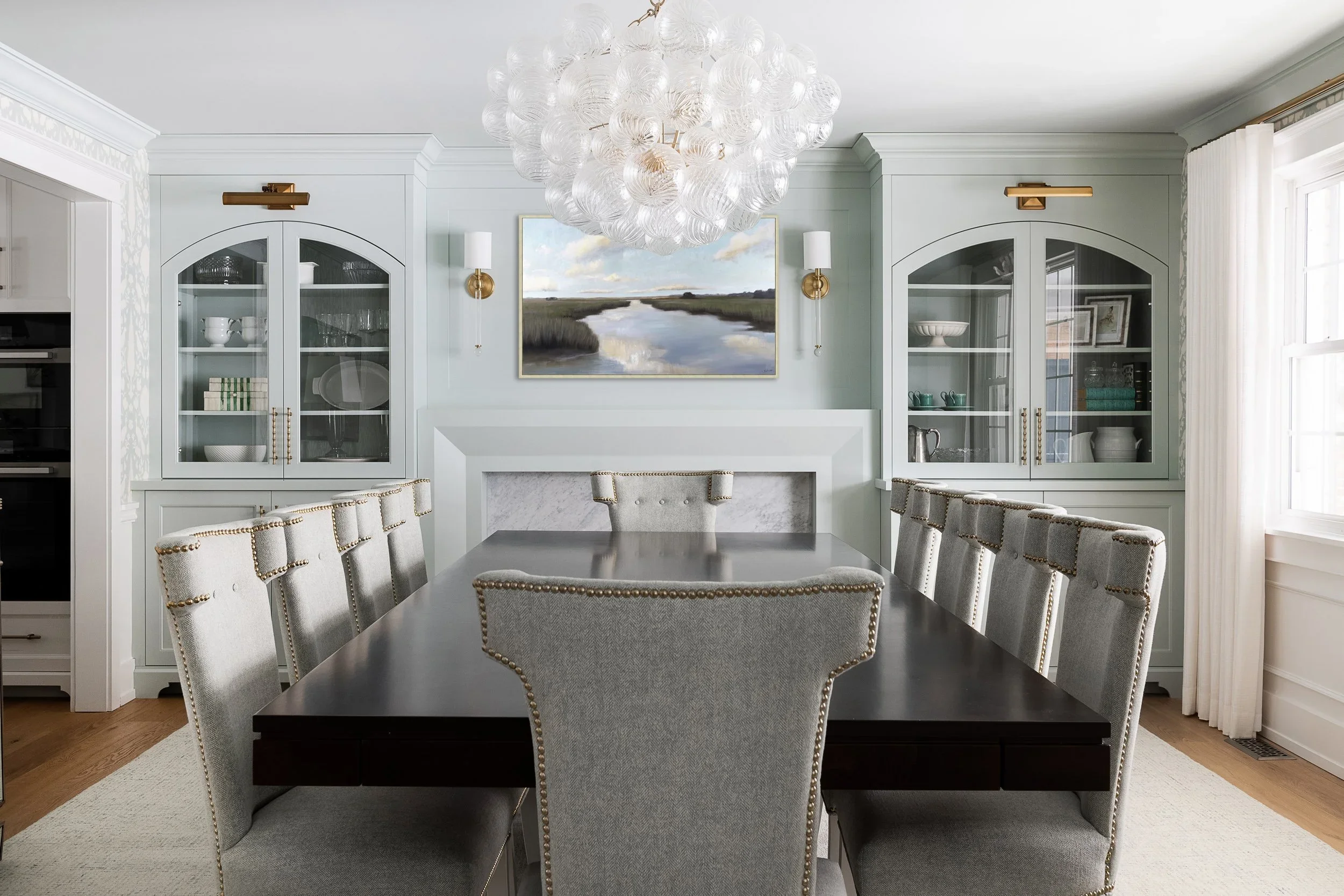
Warm, glare-free bulbs paired with easy-to-reach switches eliminate the need to fumble in the dark. We approach lighting holistically, layering ambient, task, and accent lighting so the home feels inviting while quietly reducing eye strain and safety concerns.
2. A Bathroom Designed for Balance, Comfort, and Dignity
Bathrooms are one of the most common places for slips and falls, yet they are also one of the most personal spaces in the home. A few thoughtful design choices made early can make an enormous difference later.
During an interior renovation, this might include a walk-in shower with no or low curb, non-slip tile underfoot, a built-in bench for sitting, and grab bars that are as stylish as they are sturdy. Comfort-height toilets, lever or single-handle faucets, and strong, flattering lighting around the mirror all contribute to ease of use.
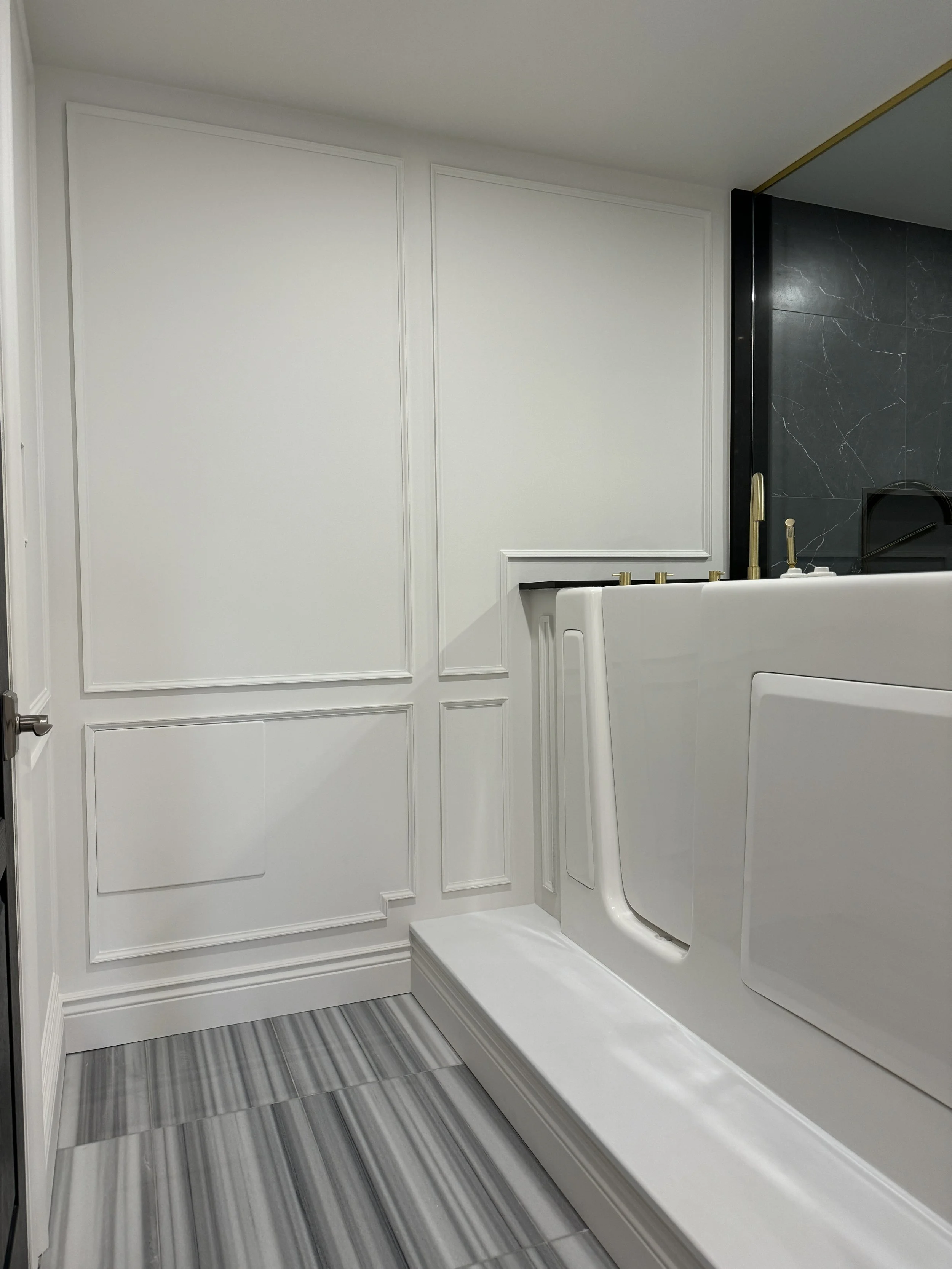
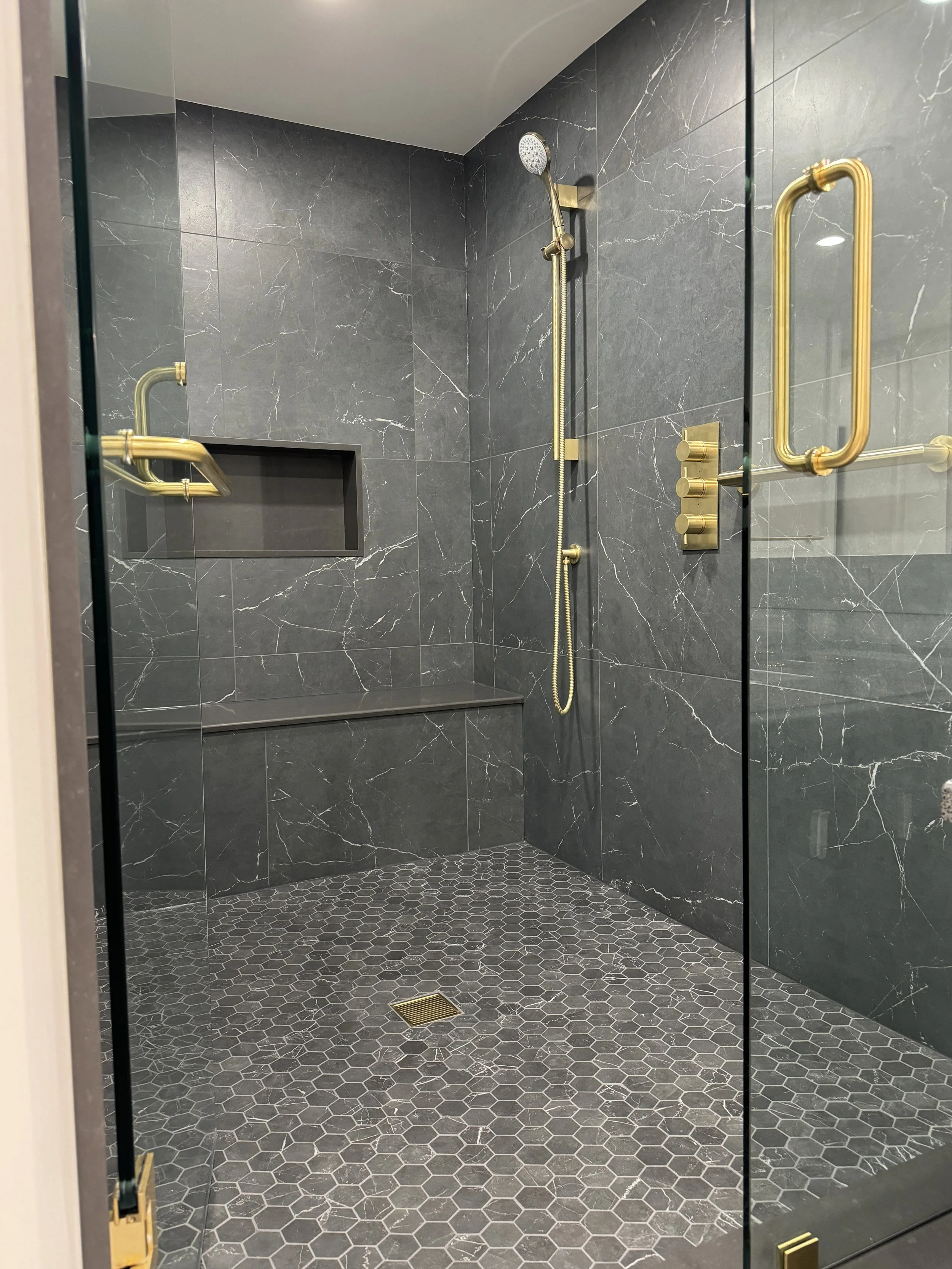
We plan bathrooms that feel like a spa, not a compromise, while being quietly prepared for future needs so clients can care for themselves with confidence.
3. Non-Slip, Level Flooring That Works for Every Step
Flooring often goes unnoticed until it causes a problem. For aging in place, it plays a major role in both safety and physical comfort.
As part of full-house remodeling or targeted home renovation services, we reduce unnecessary transitions that create trip points, such as raised thresholds between rooms. We recommend non-slip surfaces in kitchens, bathrooms, and entryways, and avoid thick or loose rugs that can bunch or slide.
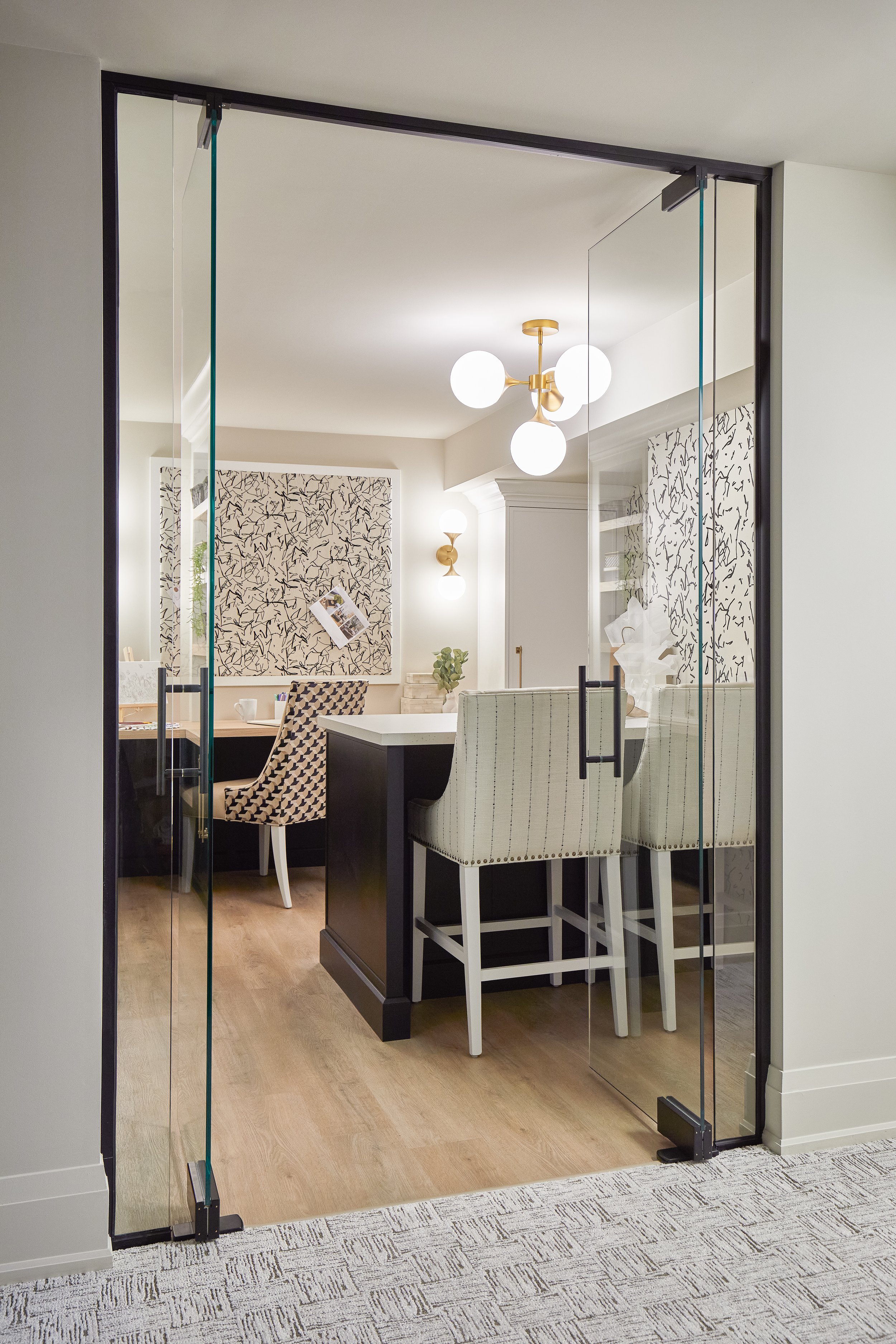
If rugs are used for warmth or acoustics, they are properly secured and kept low profile. We help clients choose flooring materials that are durable, gentle on joints, and supportive for every stage of mobility.
4. Clear Pathways and Furniture Layouts That Support Mobility
A beautiful room isn’t just about how it looks. It’s about how easily you can move through it.
Thoughtful space planning creates clear, generous walkways that reduce the need to shuffle around furniture. We adjust layouts to allow room to turn, to pass with a walker, or to walk side by side with someone offering support.
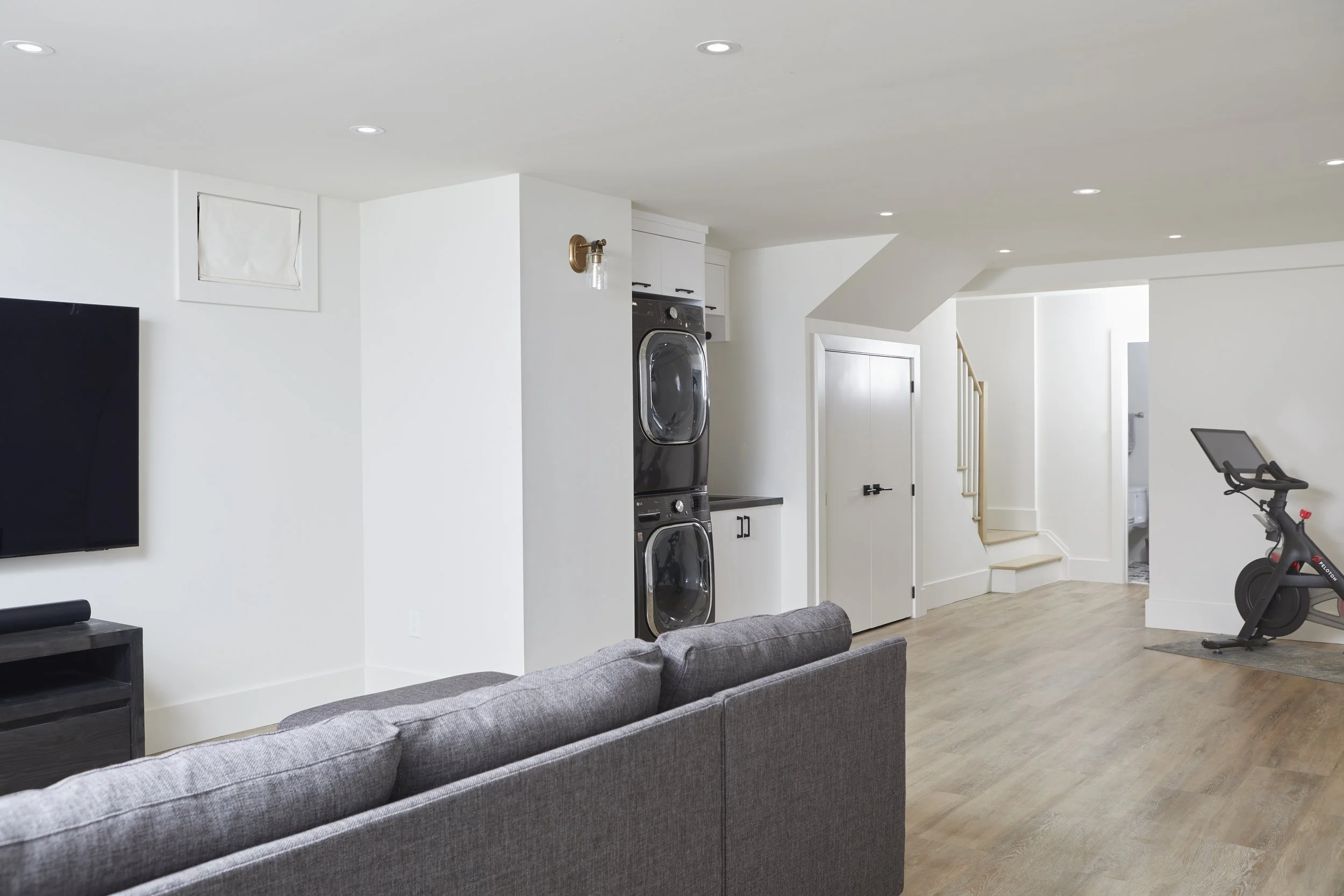
We edit out unnecessary pieces, reposition key furniture for ease of reach, and consider distances that matter, such as from bed to bathroom or from a favourite chair to the kitchen. These small adjustments make daily life feel smoother and safer.
5. Accessible Storage and Kitchens That Are Easy to Use
Reaching, bending, and climbing on stools becomes more difficult over time. Storage that works well today may feel frustrating or unsafe later.
In kitchens, this often means replacing deep lower cabinets with drawers, adding pull-out shelves at waist height, and organizing frequently used items into easy-access zones. In closets and bathrooms, it may include lowering hanging rods, incorporating open shelving, or adding pull-out baskets.

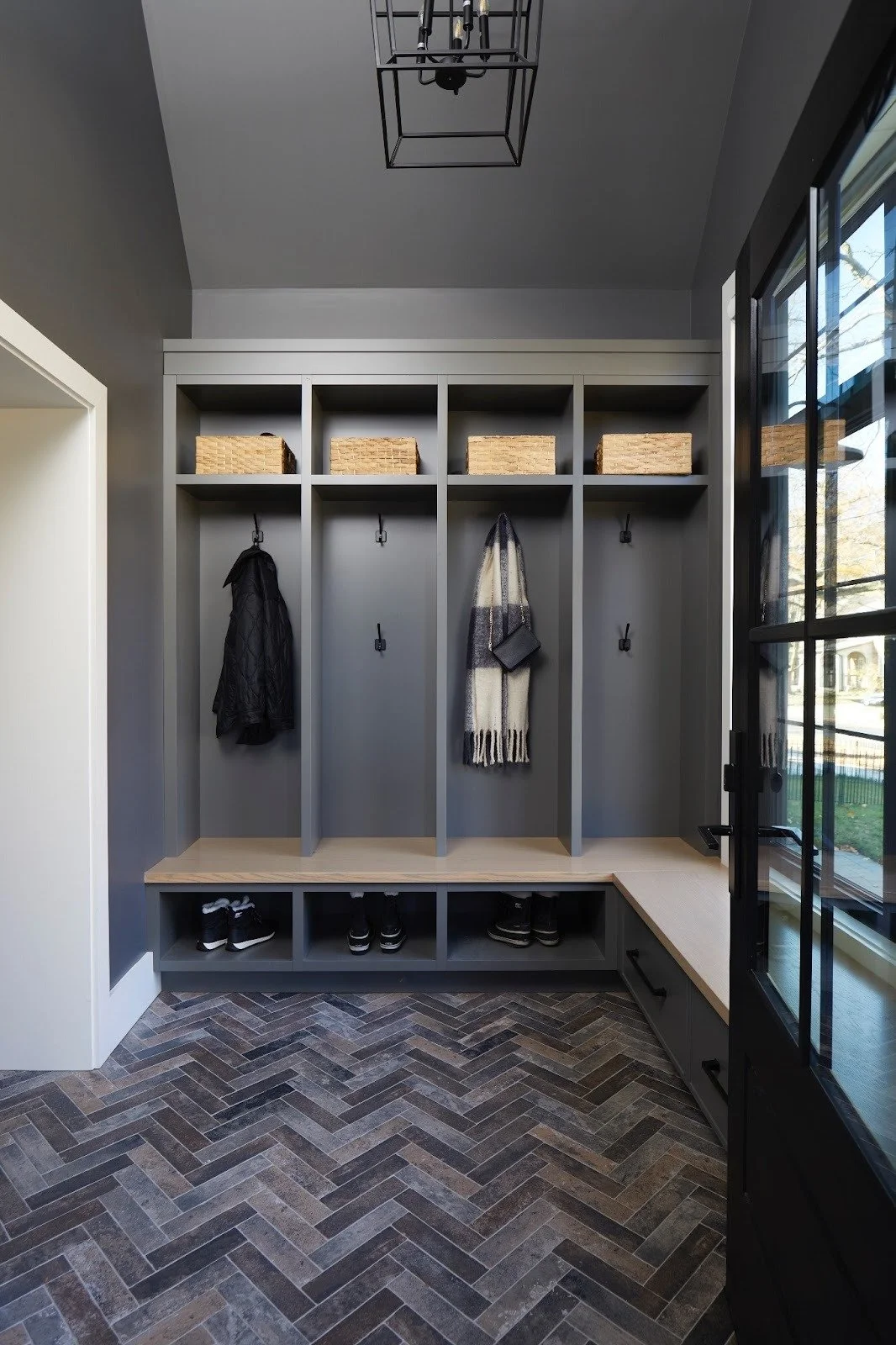
As part of a thoughtful interior renovation, we plan storage around how clients live, now and in the future, so everyday tasks feel manageable rather than exhausting.
6. Simple Hardware Swaps That Make a Big Difference
Not all aging-in-place upgrades require major construction. Some of the most impactful changes are also the simplest.
Lever-style door handles are easier to use than round knobs for hands that are arthritic, tired, or full. Rocker light switches are easier to tap than traditional toggles. Larger cabinet pulls are simpler to grasp than small knobs.
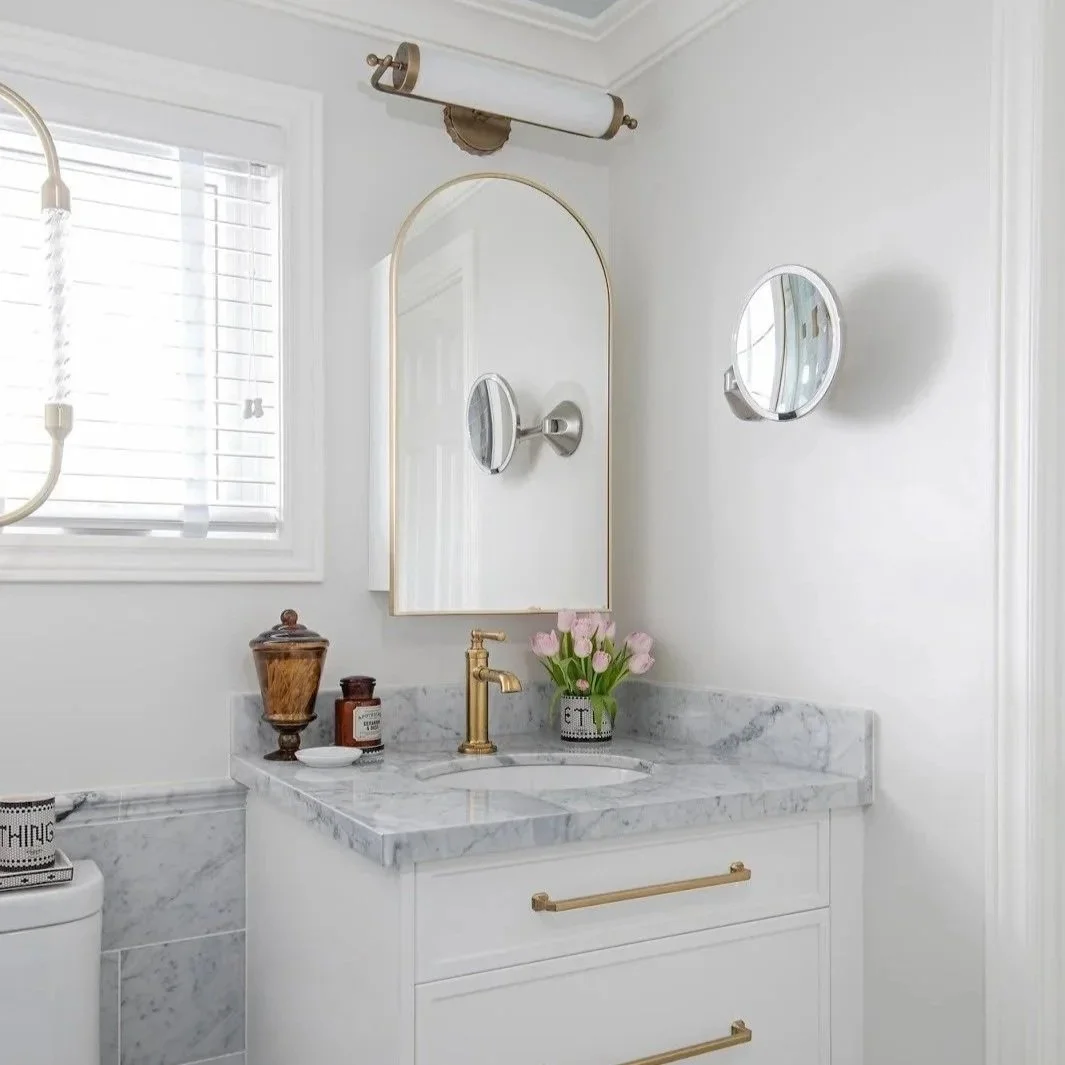
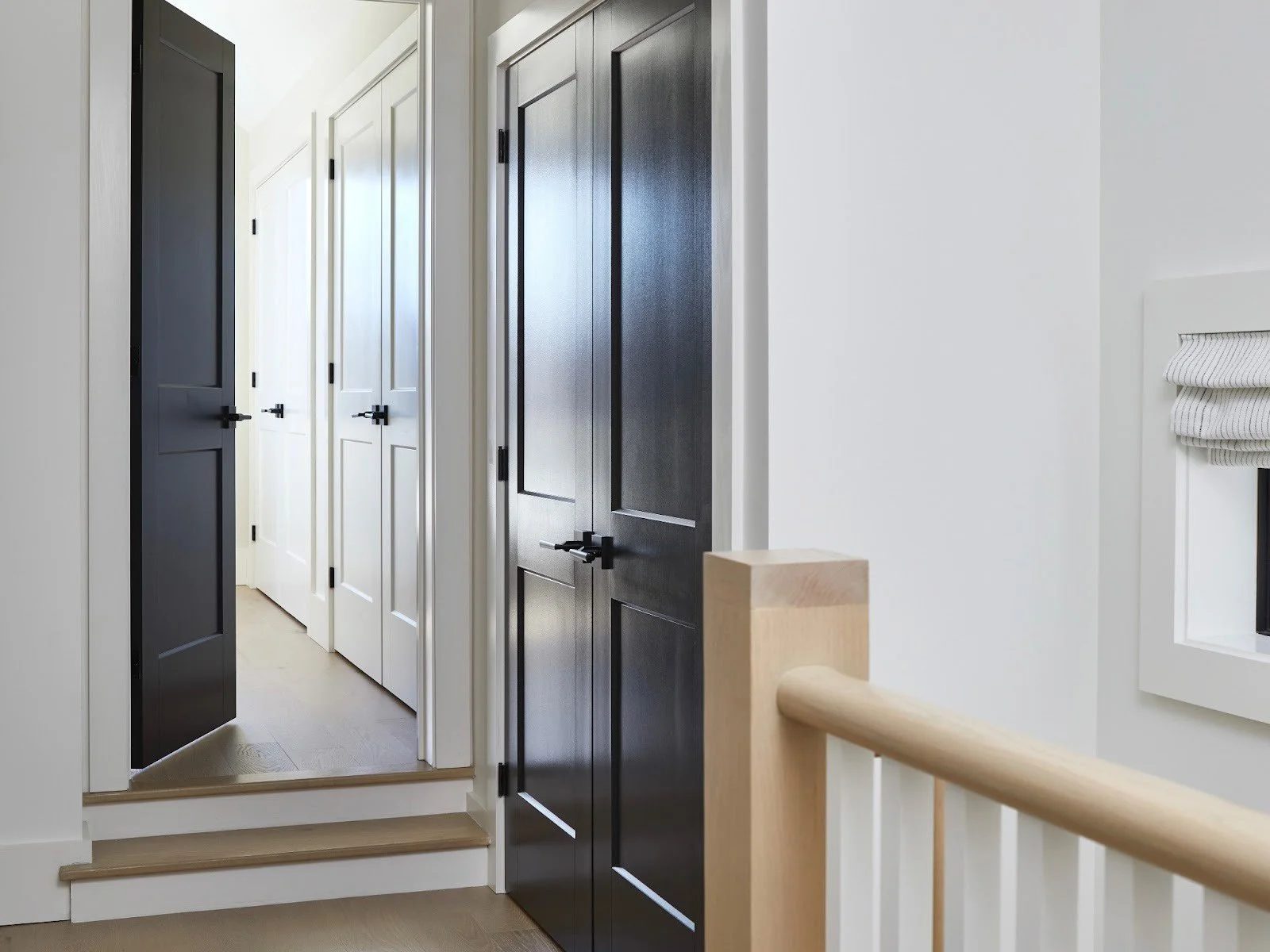
These details are often integrated from the start in luxury interior design, but they can also be phased in over time. They maintain the home’s aesthetic while improving comfort for everyone.
7. Safer Entryways and Everyday Transitions
Getting in and out of the home comfortably is essential for staying independent. Entryways are where outdoor conditions, level changes, and heavy bags all converge.
Through targeted home renovations, we improve lighting, smooth thresholds, add sturdy handrails, and incorporate seating for putting on or removing shoes. Inside, we often design clear drop zones for keys and mail, thoughtful storage for coats and boots, and unobstructed pathways.
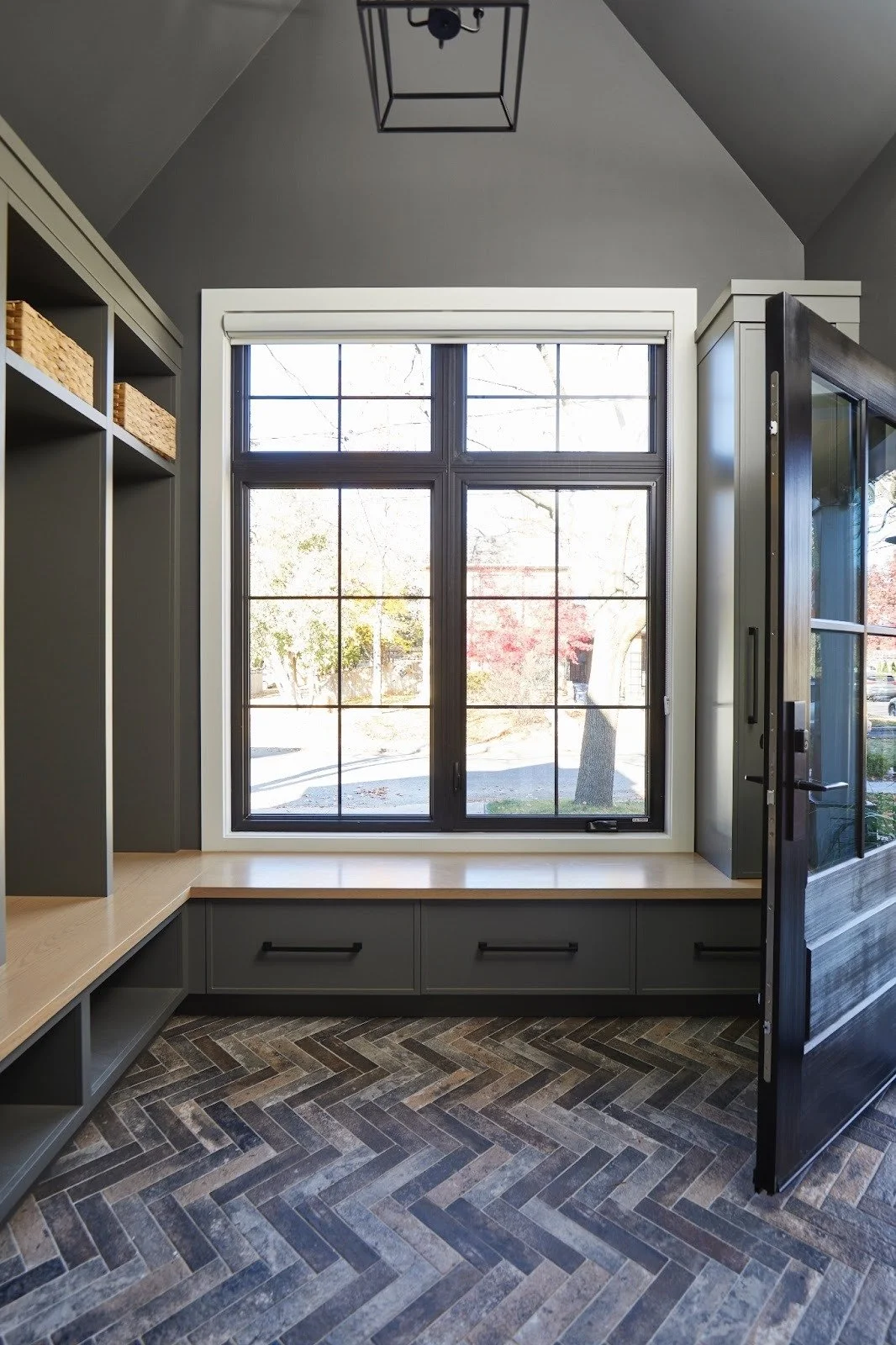
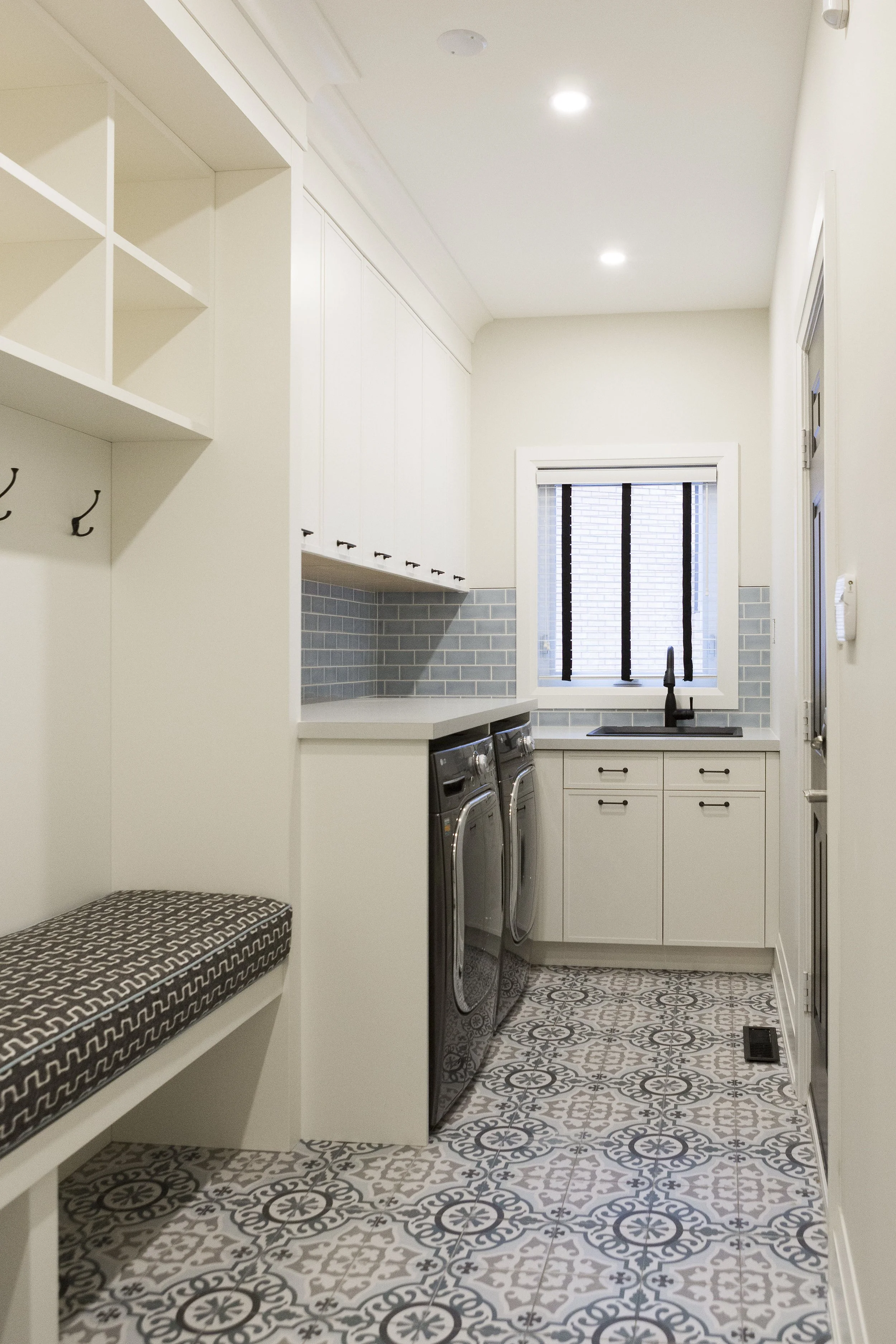
When entryways are designed with aging in place in mind, they support mobility and reduce fall risk every single day.
Plan Ahead, Not in a Moment of Crisis
Aging in place isn’t about expecting limitations. It’s about protecting choice, comfort, and autonomy through smart design.
When homeowners take a proactive approach to interior renovation and space planning, they avoid rushed decisions and retain control over how their home evolves. This is where working with an experienced professional makes all the difference.
If you’ve been considering taking on any kid of renovation, we’ve put together a Renovation Readiness Checklist for you. It’s designed to help homeowners think through key decisions before work begins, laying the groundwork for a home that supports them well into the future. Grab the checklist.