
You tidy the kitchen before bed, only to find the countertops covered again by lunchtime the next day.
The entryway looks lovely when everything is put away, but somehow shoes, bags, coats, and mail always find their way back into the same little pile.
And that one chair in the bedroom? It has quietly become the designated home for everything that doesn't have somewhere else to go.
Sound familiar?
It's easy to assume that a cluttered home simply needs more organizing. Another basket, a few drawer dividers, or perhaps a weekend dedicated to clearing things out.
And while those things can certainly help, we’ve found that the real issue often runs a little deeper.
Sometimes, the problem isn't how much you own. It's that your home wasn't designed around how you actually live.
Good storage isn't about creating a perfectly organized home that nobody is allowed to touch. It's about having a place for the things you use every day, making routines feel easier, and creating rooms that are just as functional as they are beautiful.
And when storage is considered as part of the design, the difference can be remarkable.
Good Storage Is About More Than Finding Space for Your Things
When we think about storage, we tend to focus on where things will go.
But as an interior designer, we’re equally interested in how those storage decisions will affect the way a room feels, and more importantly, functions.
Think about your kitchen. If you have to move three things just to reach the appliance you use every morning, there's an opportunity to improve the design.
Or consider your living room. If toys, remotes, games, books, and electronics are constantly competing for space on your coffee table, perhaps the room needs more than a larger basket.
Thoughtful storage can reduce visual clutter, make everyday tasks more efficient, and help create that feeling of calm we often associate with beautifully designed interiors.
It's not about hiding your life away. It's about making room for it.
4 Smart Storage Solutions Worth Considering
1. Custom Built-Ins That Feel Like Part of Your Home
Make every square foot work a little harder.
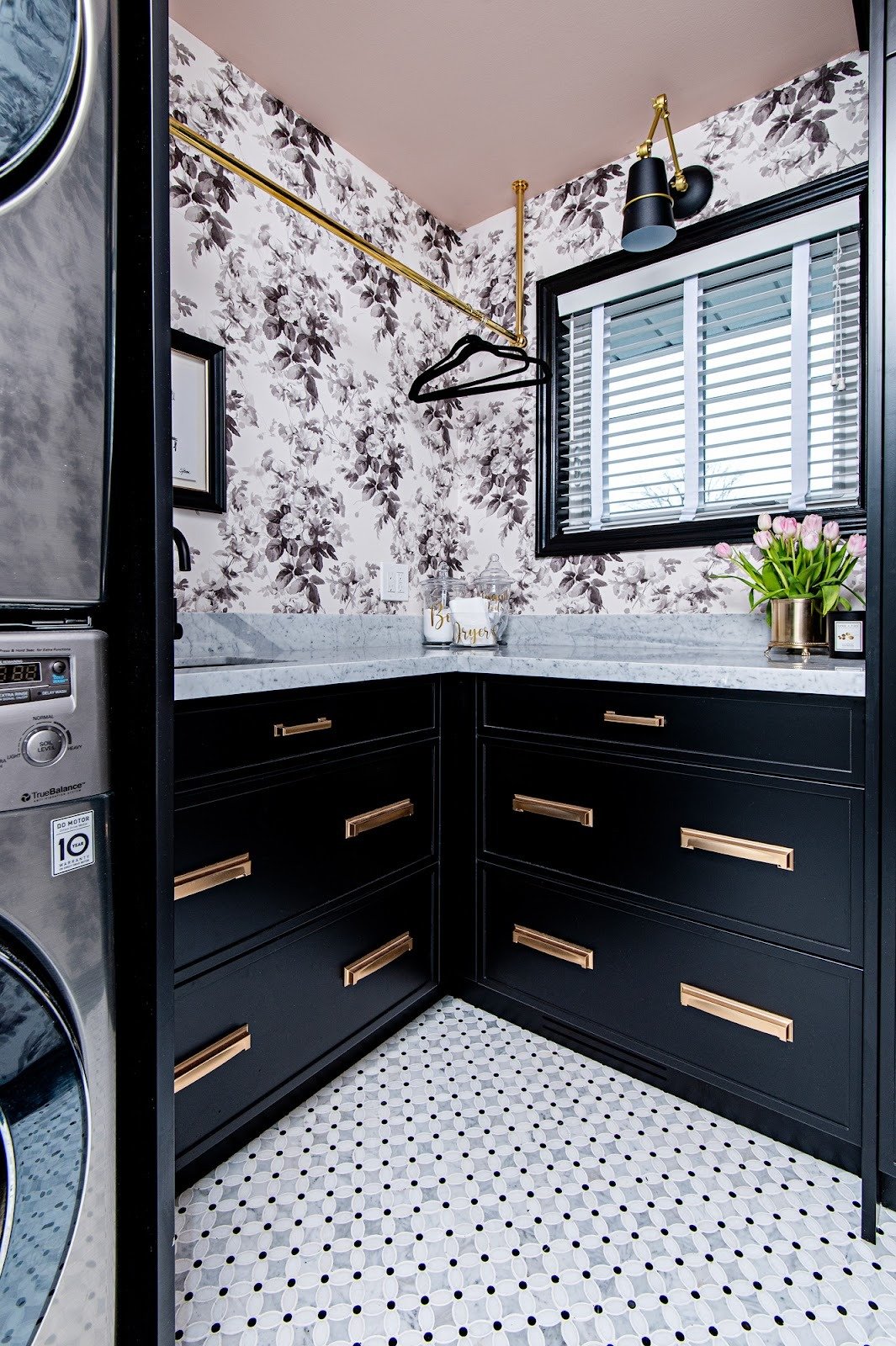
One of our favourite ways to incorporate storage is through custom millwork and built-in cabinetry.
Unlike standalone furniture, built-ins can be designed to fit the exact dimensions of a space, making use of areas that might otherwise be overlooked.
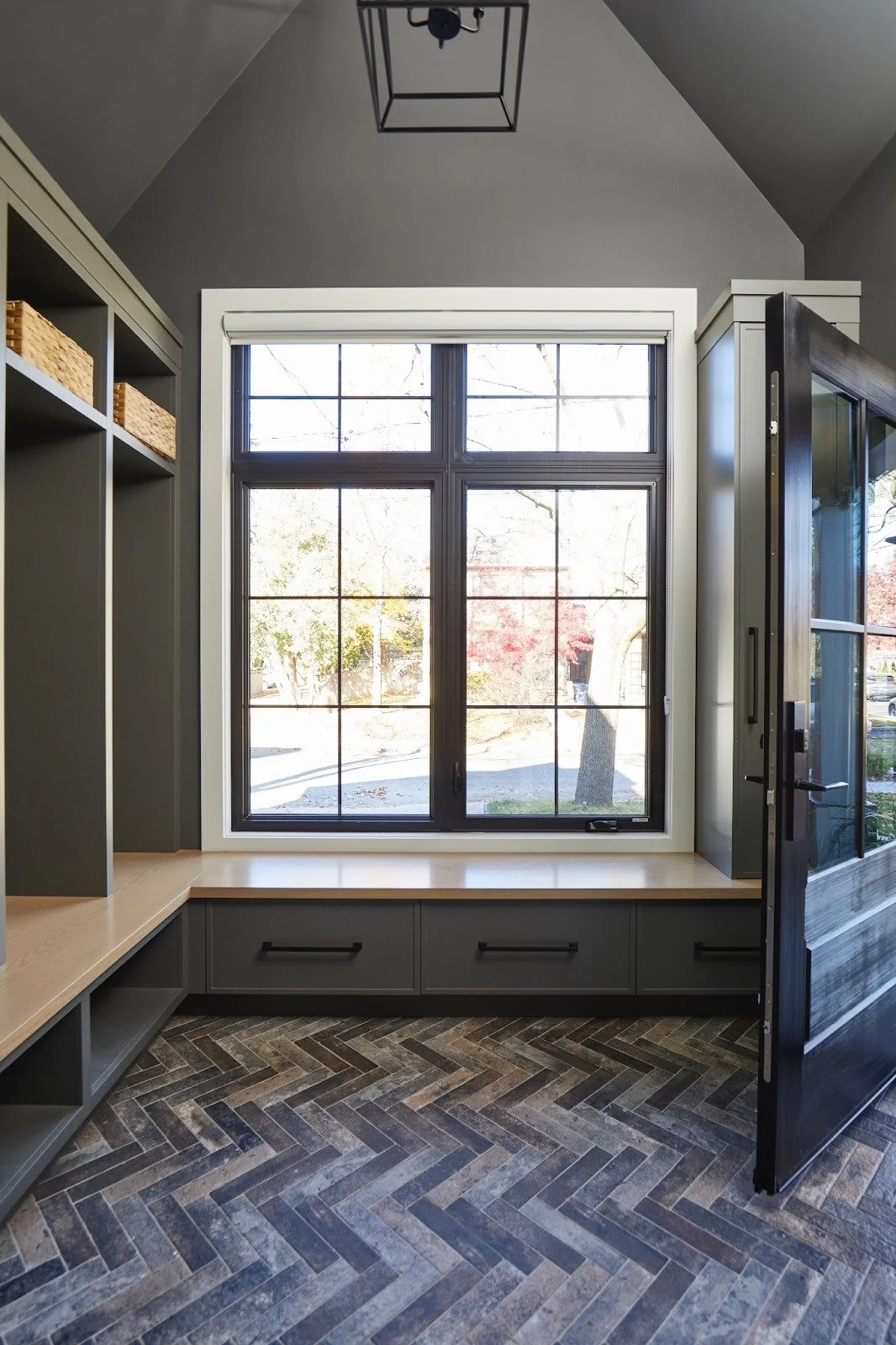
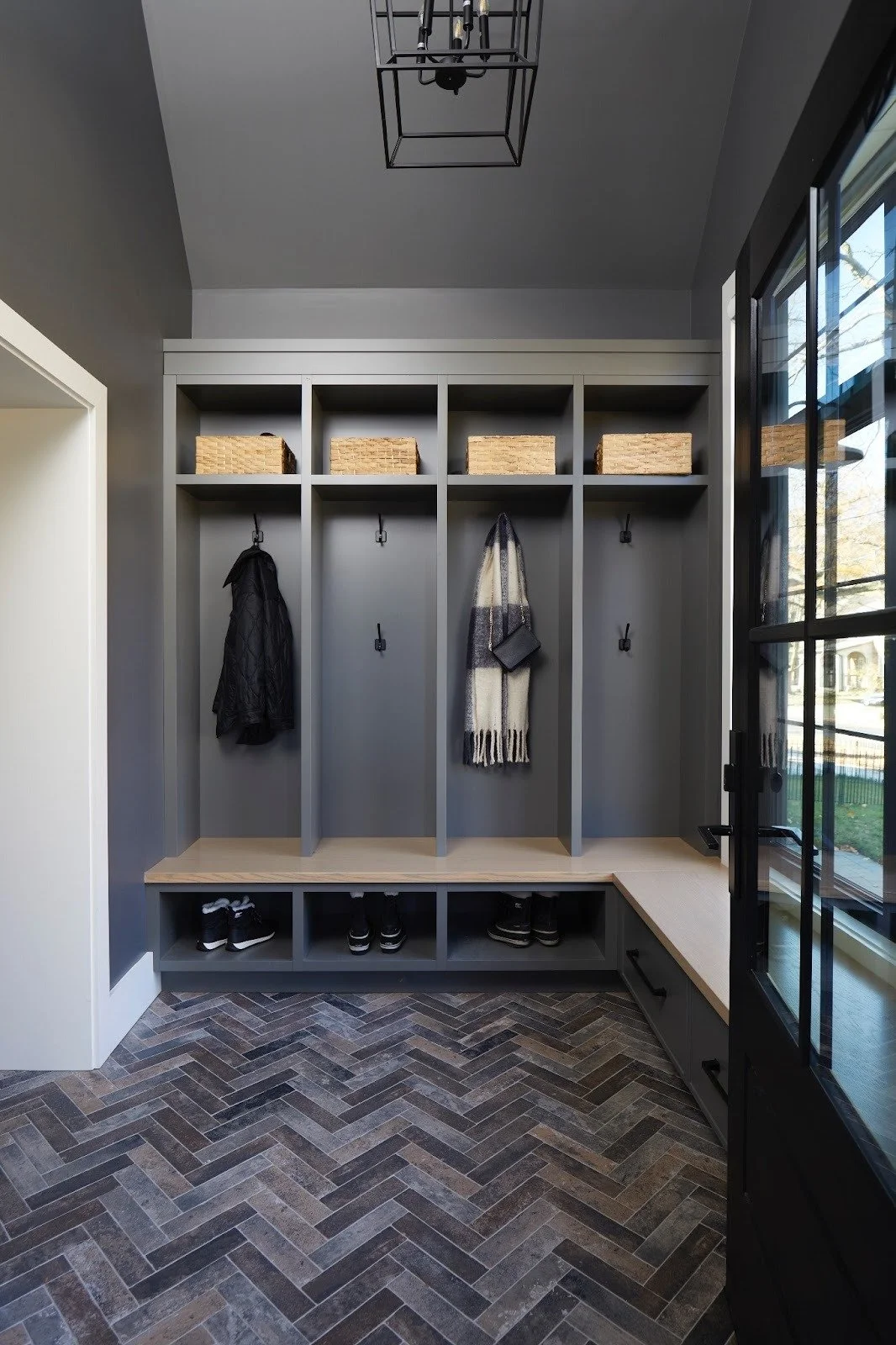
A thoughtfully designed mudroom might include individual cubbies for each family member, concealed shoe storage, hooks at the right height for children, and drawers for the everyday odds and ends.
In a living room, custom cabinetry can provide a beautiful combination of open shelving for meaningful objects and closed storage for the things you don't necessarily want on display.
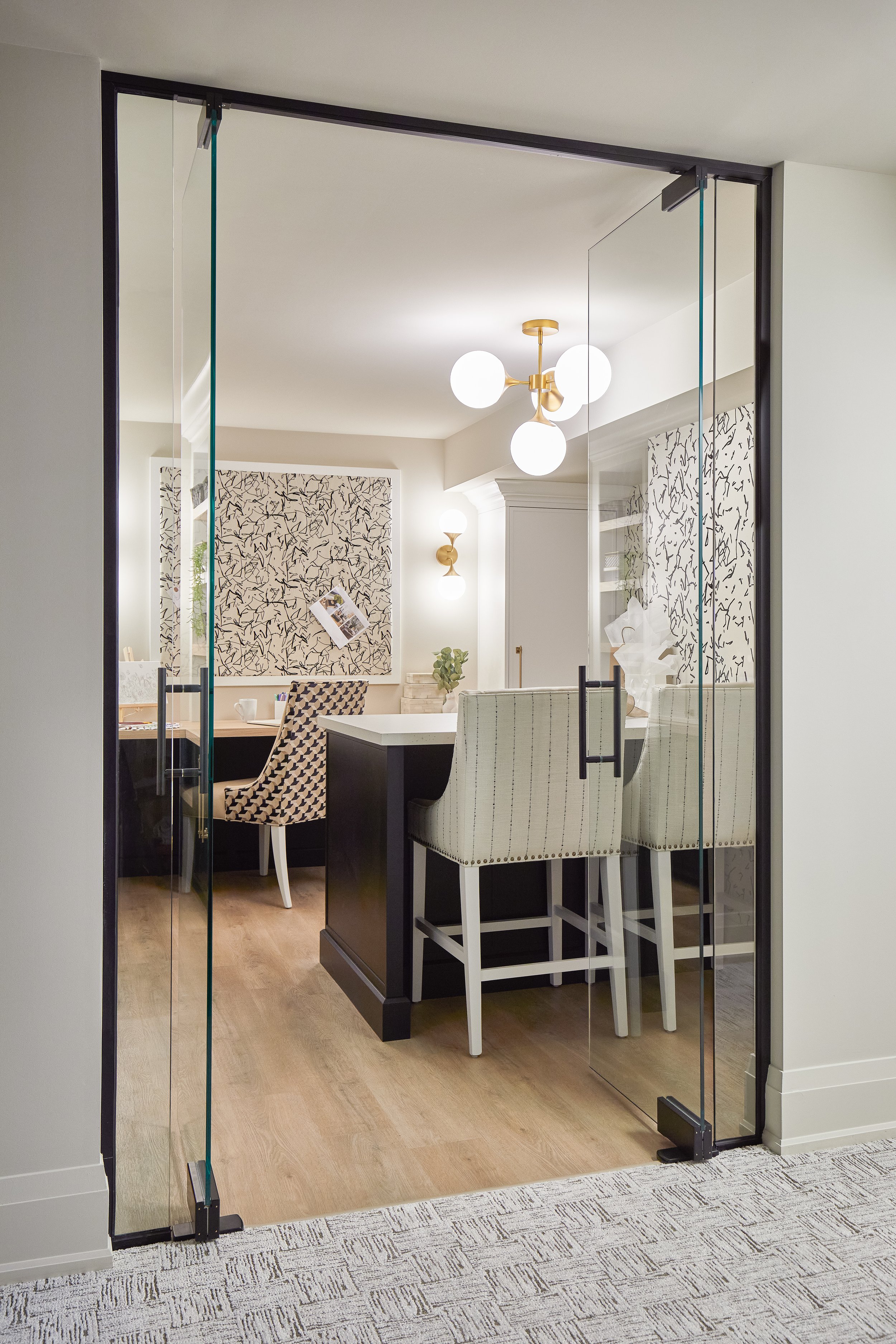
And in a home office, built-ins can help organize files, equipment, supplies, and technology while maintaining a space that feels polished and inviting.
The beauty of custom millwork is that it can be tailored to both your home's architecture and your family's particular needs. Rather than adding storage after the room is finished, it becomes an intentional part of the overall design.
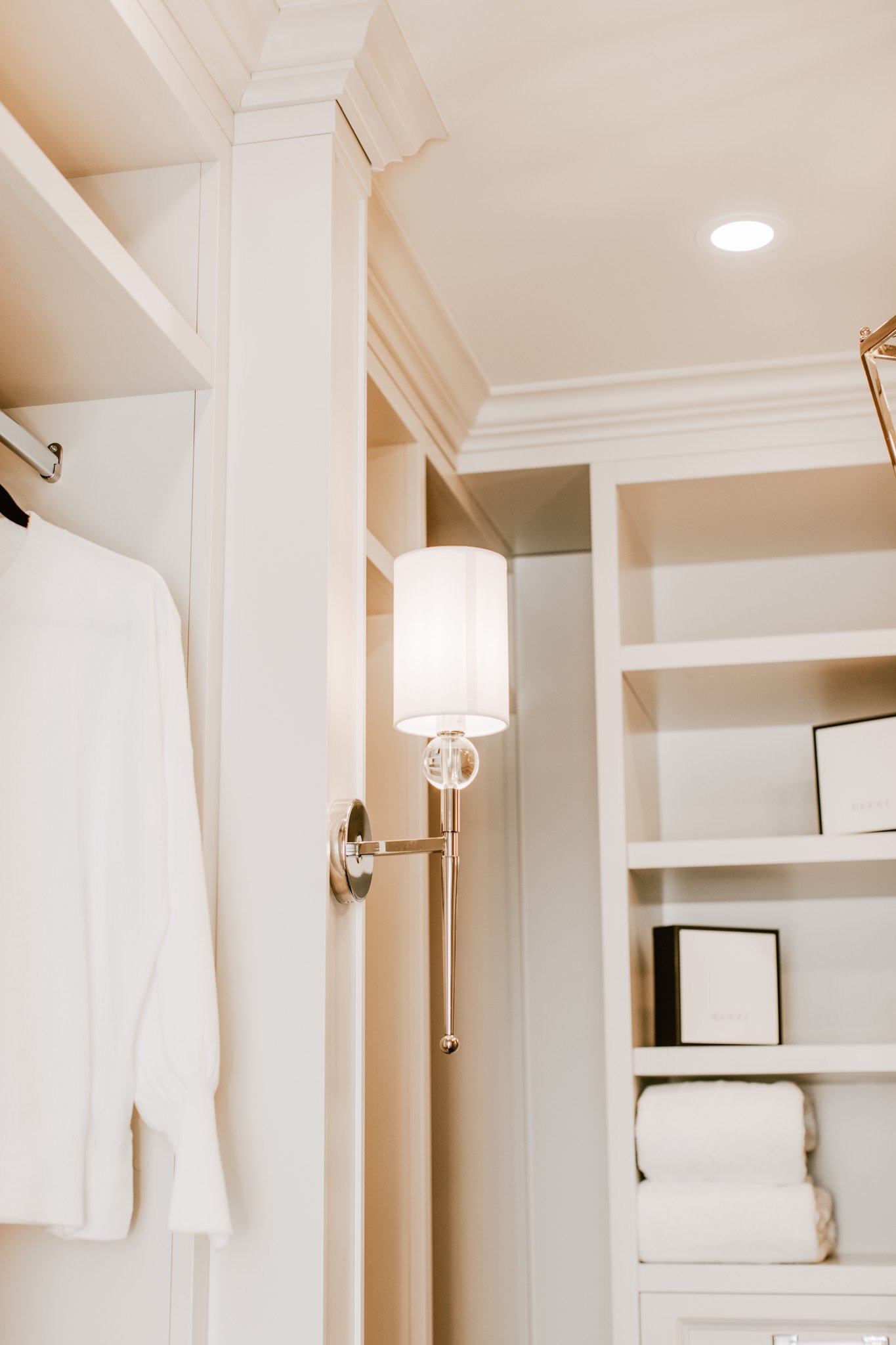
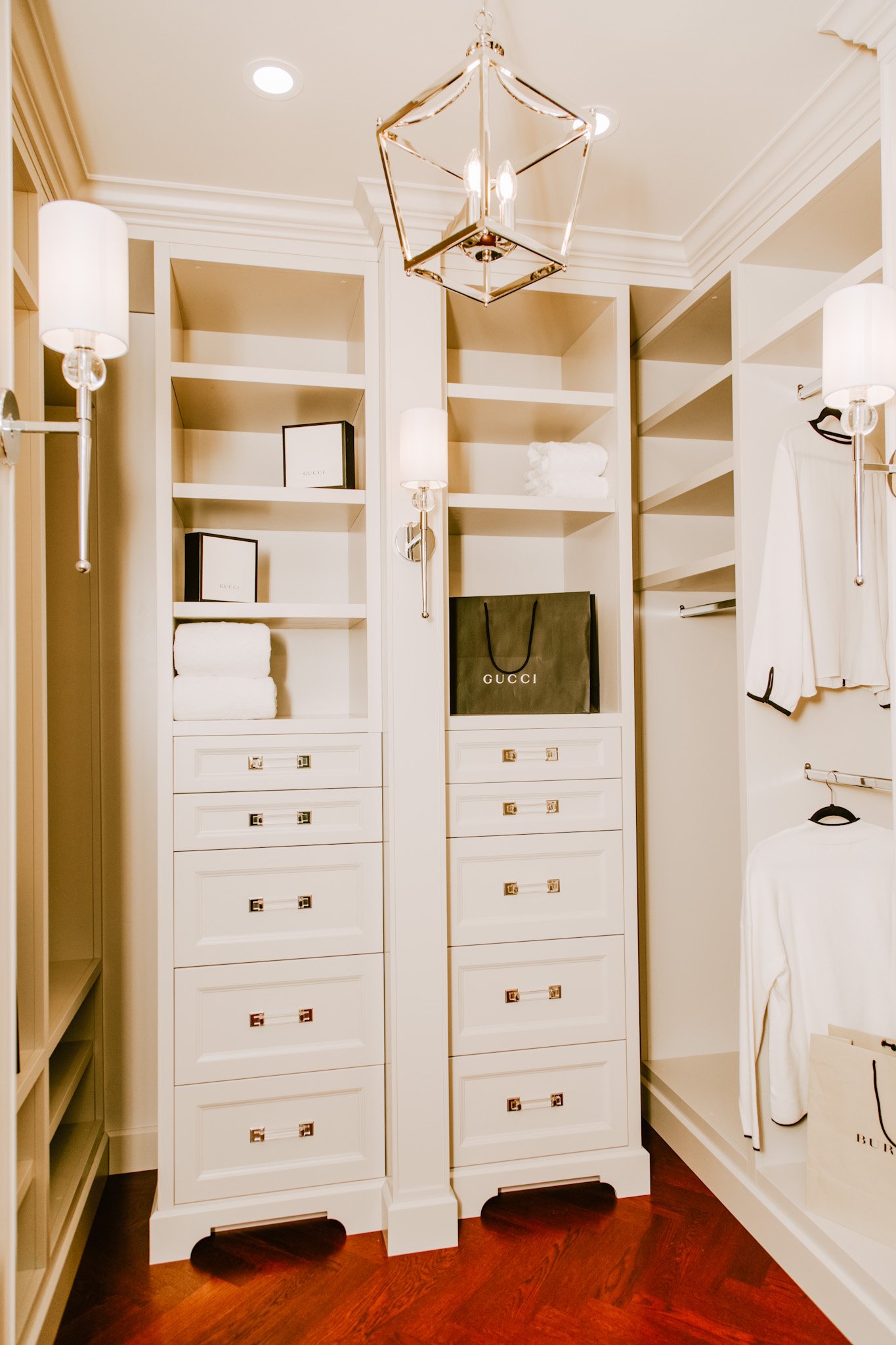
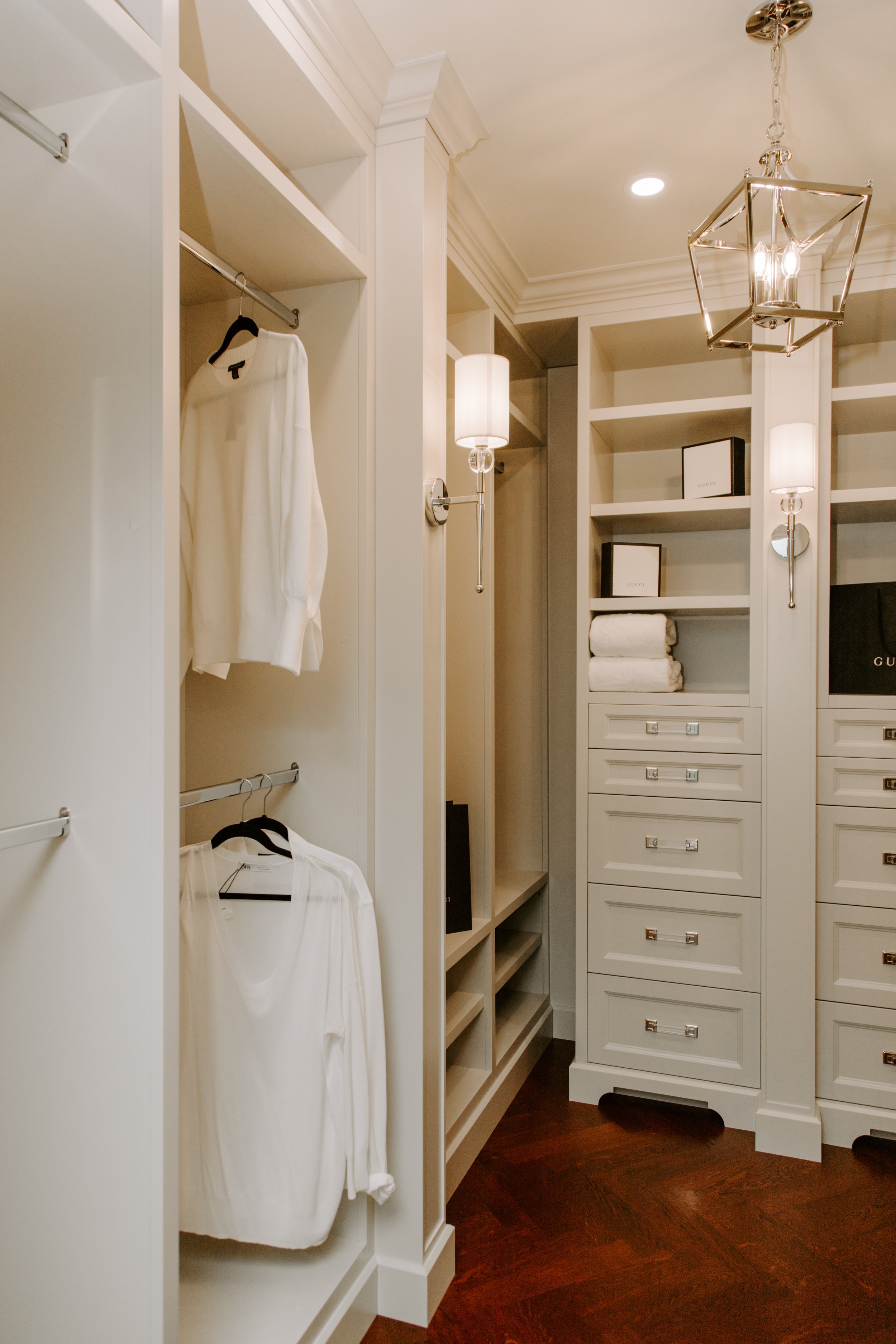
2. Closet Design That Makes Getting Ready Easier
A well-planned closet can completely change your morning routine
A larger closet isn't always the solution to a storage problem.
Sometimes, it's simply a matter of using the space you already have more effectively.
Consider how much space is lost when closets are designed with one hanging rod and a shelf above it.
A combination of drawers, adjustable shelving, double-hang sections, dedicated shoe storage, and thoughtfully placed hooks can make the same footprint considerably more functional.
But before deciding on those features, it's important to understand what actually needs to be stored.
Do you prefer hanging most of your clothing or folding it?
Do you need space for handbags, jewellery, or seasonal pieces?
Are there items you reach for daily that should be more accessible?
Those answers should drive the design.
The goal isn't necessarily to fit more into your closet. It's to make what you already own easier to see, access, and put away.
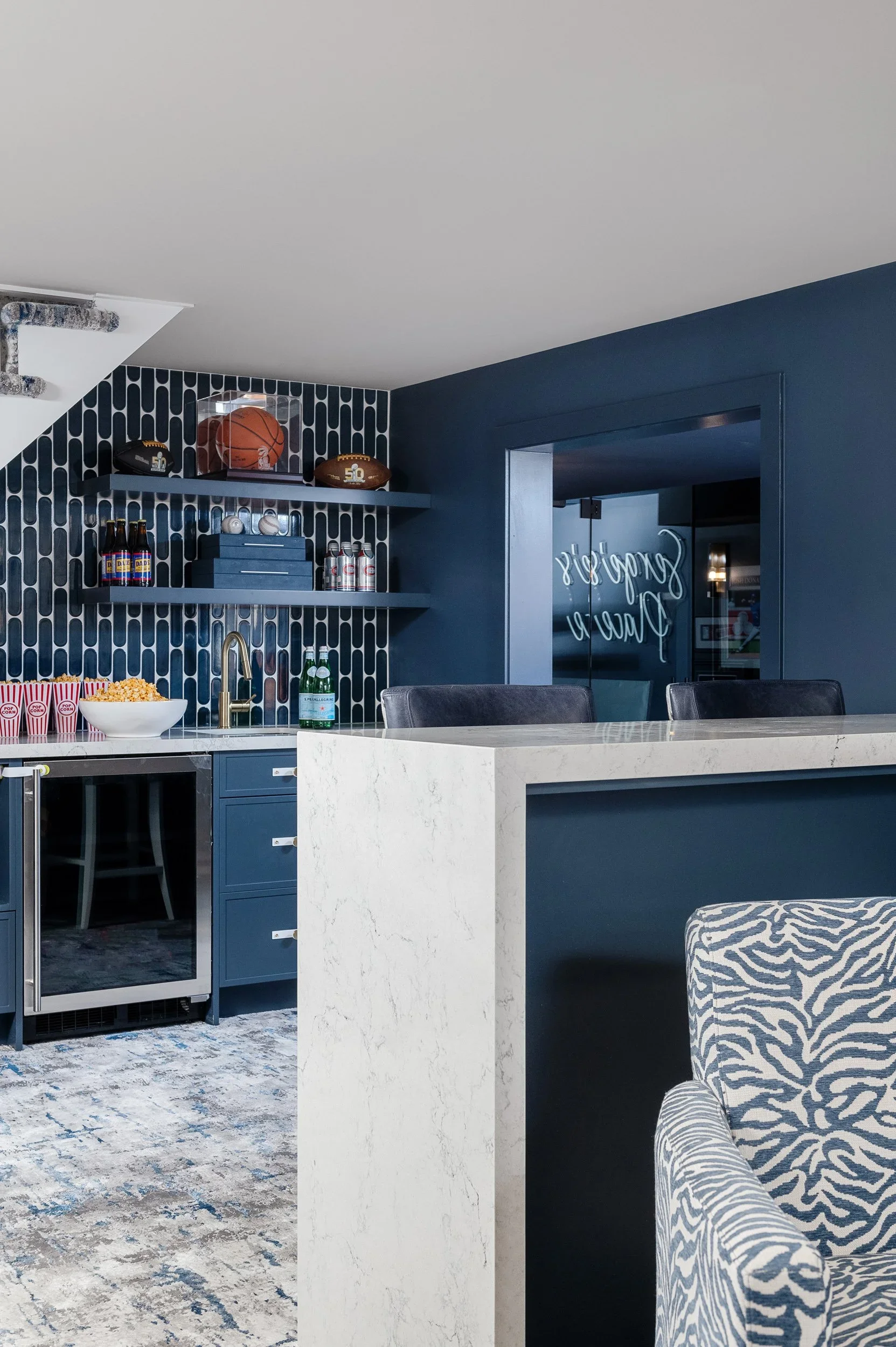
3. Closed Storage That Gives Your Eyes a Place to Rest
Not everything needs to be on display.
Open shelves can be beautiful, especially when they're styled with favourite books, collected objects, or meaningful pieces from your travels.
But there's also something to be said for being able to close a cabinet door and instantly bring a sense of order to a room.
In family living spaces, we often recommend balancing open shelving with closed cabinetry.

Media consoles can conceal electronics, remotes, and cables. An entry console with doors can keep keys, paperwork, and everyday essentials close at hand without leaving them scattered across the surface.
Even a storage ottoman can serve double duty by offering additional seating or a place to rest your feet while keeping extra blankets or family games tucked away.
These solutions may seem small individually, but together they can make a noticeable difference in how a home feels. And importantly, they allow your home to look lived in without always looking cluttered.
4. Furniture That Earns Its Place
Beautiful is important. Practical matters, too.
When selecting furniture, we always encourage homeowners to think beyond how a piece looks in a showroom.
How will it actually be used?
An oversized coffee table might be beautiful, but if it overwhelms the room and offers little practical storage, it may not be the best choice.
A bedroom bench with a lift-up seat could provide the perfect spot for extra linens. A bedside table with generous drawers might work better than a delicate piece with barely enough space for a phone.
And in smaller rooms, selecting furniture that serves more than one purpose can help the space feel more generous and less crowded.
The key is to choose pieces that are appropriately scaled to your room, complement the overall design, and genuinely support the way you live.
After all, furniture should do more than fill a space.
Before You Add More Storage, Start Here
One of the biggest mistakes we see homeowners make is jumping straight to storage solutions without first understanding the problem.
Before purchasing more baskets, furniture, or cabinetry, we recommend walking through your home and paying attention to three things.
Notice where clutter naturally collects.
Is it the kitchen island? The front entry? The dining table?
Those little piles are often clues about where your current storage isn't supporting your routines.
Think about what happens in that space every day.
Where do you put your keys when you arrive home? Where do the children drop their backpacks? What needs to be within easy reach when you're cooking?
Your habits can tell you more about the storage you need than a beautifully organized inspiration photo ever could.
Give everyday items a logical home.
The best storage is usually the storage that's easiest to use.
If shoes are always left by the door, perhaps that's where they need a dedicated space. If paperwork accumulates in the kitchen, consider whether a concealed drawer or small family command centre would help.
When you plan around your natural routines rather than trying to change them completely, a home becomes much easier to maintain.

The Best Time to Plan Storage? Before the Renovation Begins.
If you're considering a home renovation, storage deserves a place in the conversation right from the beginning.
It's much easier to incorporate thoughtfully designed cabinetry, improve closet layouts, or rethink the functionality of an entryway when those decisions are part of the overall design plan.
This is one of the reasons we believe in approaching interior design as a complete picture, rather than a series of individual decisions.
A beautiful kitchen needs to function well. A welcoming entry needs to support the comings and goings of everyday life. A bedroom should feel like a retreat, not a place where you're constantly searching for somewhere to put things.
And while good design can certainly make a home feel more luxurious, some of the most valuable improvements are the ones that make everyday life a little easier.
That's what livable luxury means to our interior design firm.
Not a home that looks perfect every minute of the day, but one that has been thoughtfully designed around the people who live in it.
Ready to Make Your Home Work Better for You?
You don't need to reorganize your entire home this weekend.
Start by identifying one space that causes frustration and consider whether the issue is really clutter or whether the space simply needs to function differently.
If you're beginning to think about updating a room or planning a larger renovation, our Room Readiness Checklist is a helpful place to start. It will help you think through your priorities before making important design decisions.
And if you're ready for a more comprehensive change, we'd love to help.
At Thornton Design, we work with homeowners in Vaughan, Kleinburg, and throughout the Greater Toronto Area to create timeless, thoughtfully designed homes that balance beauty with everyday functionality.
From custom storage solutions to full-service interior design and renovations, our goal is to create spaces that feel beautiful, considered, and genuinely effortless to live in.