Your Home, Your Story: How to Define an Interior Design Style That Feels Like You
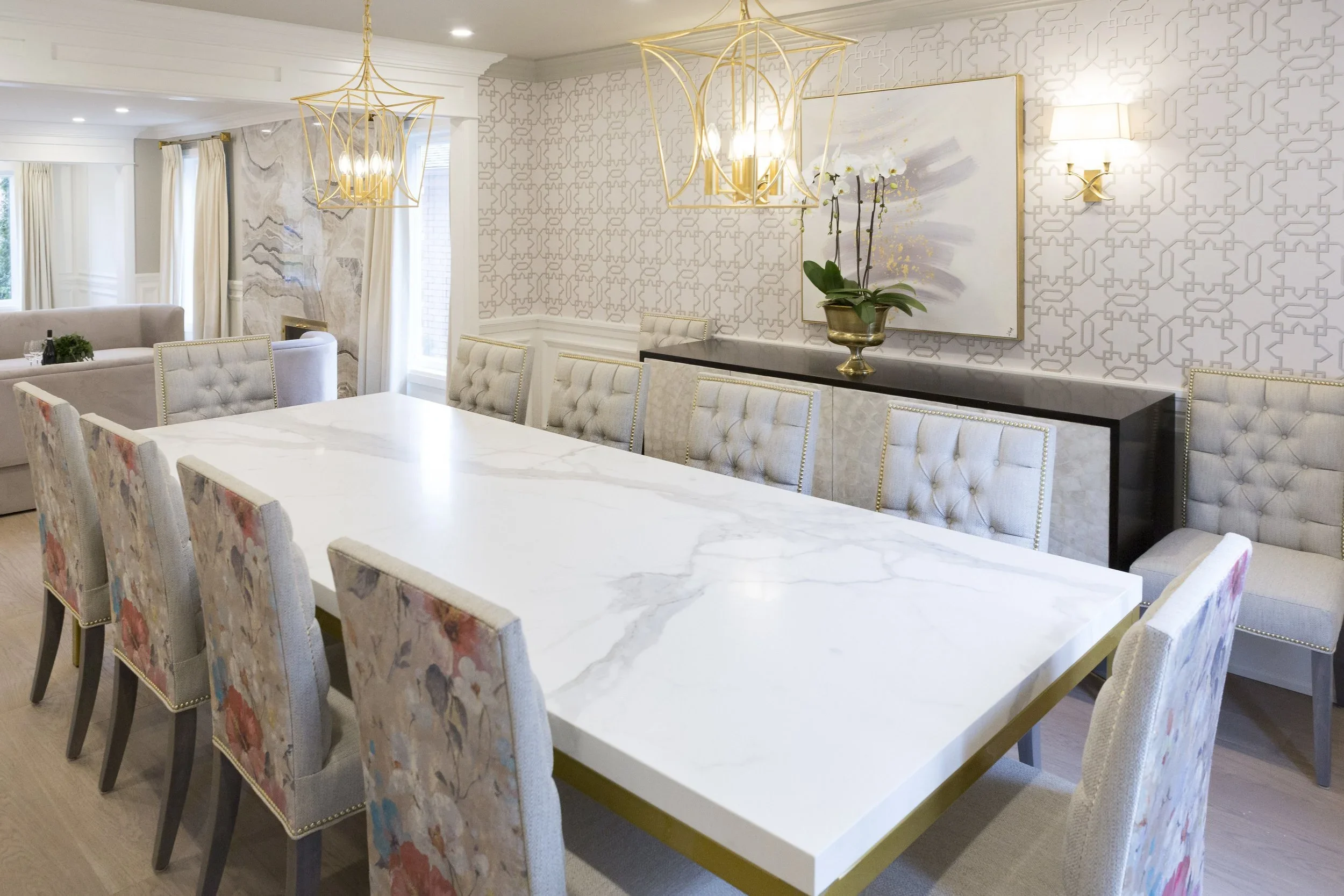


Trends are everywhere.
Open Pinterest, scroll through Instagram, or walk into a furniture showroom and you’re immediately surrounded by ideas about what your home should look like.
And trends can be helpful.
They introduce us to new colours, materials, layouts, and ways of thinking about our spaces. They can make the many decisions involved in interior design and home renovations feel a little easier.
But when trends become the starting point for every decision, it’s also easy to end up with a home that looks beautiful and somehow doesn’t feel like you.
At Thornton Design, we believe your home should tell your story.
Whether you’re planning a full home renovation, updating a kitchen, or rethinking the way your existing rooms function, your home should reflect your personality, support the way you actually live, and feel comfortable and familiar long after a particular design trend has passed.
The goal isn’t to create a “Pinterest perfect” home.
The goal is to create a home that feels unmistakably yours.
How Do You Define Your Interior Design Style?
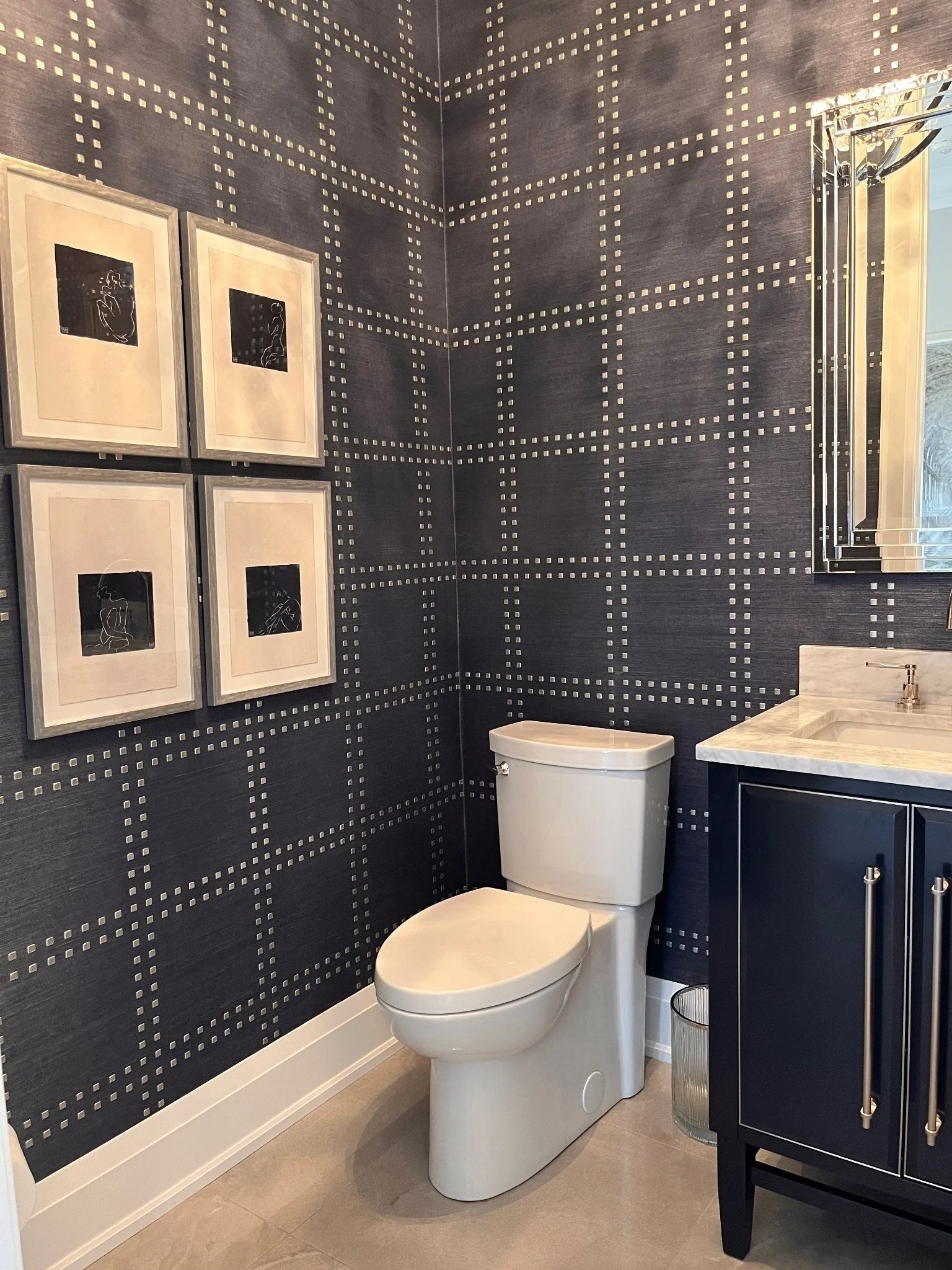
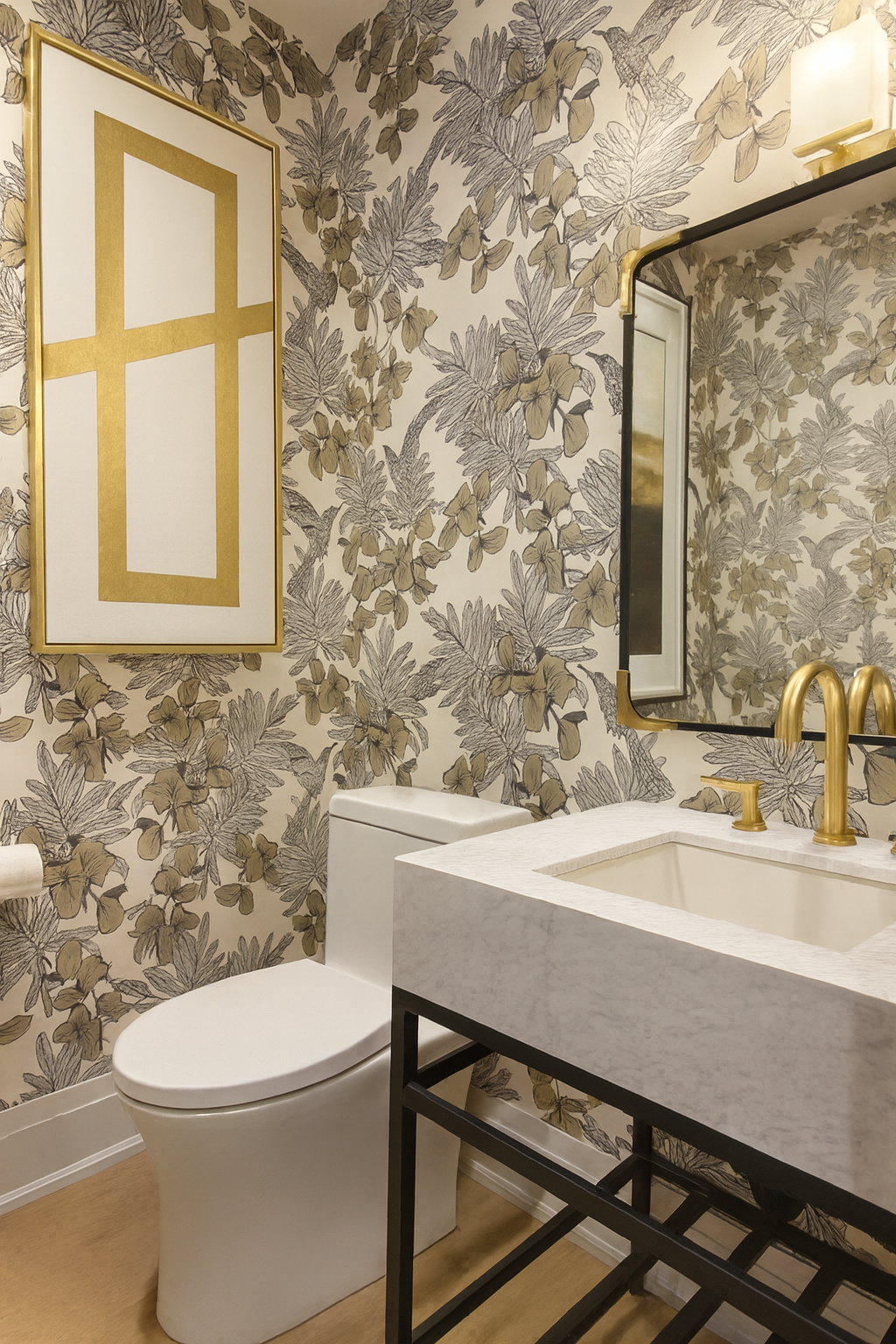
A good place to start is not by choosing between words like traditional, contemporary, transitional, or modern.
Instead, ask yourself:
How do I want life at home to feel?
Maybe you want your home to feel warm and welcoming, where friends naturally stay a little longer after dinner.
Perhaps you’re craving something calm and uncluttered after busy days.
You might want layered, comfortable spaces that invite everyone to settle in. Or light-filled rooms that feel fresh, open, and energizing.
There is no right answer.
But identifying the feeling you want gives you something much more useful than a list of trending design styles. It becomes a filter for the many decisions that follow throughout the interior design process.
When you know how you want your home to feel, you can begin asking whether each layout, material, finish, colour, and furnishing supports that vision.
What Makes a Home Feel Personal?
A home feels personal when its design reflects three things: your personality, your lifestyle, and your values.
Saving inspiration images is a wonderful place to start, but your personal style isn’t defined by whether you prefer one particular design category.
The most successful homes usually sit at the intersection of what you love and how you live.
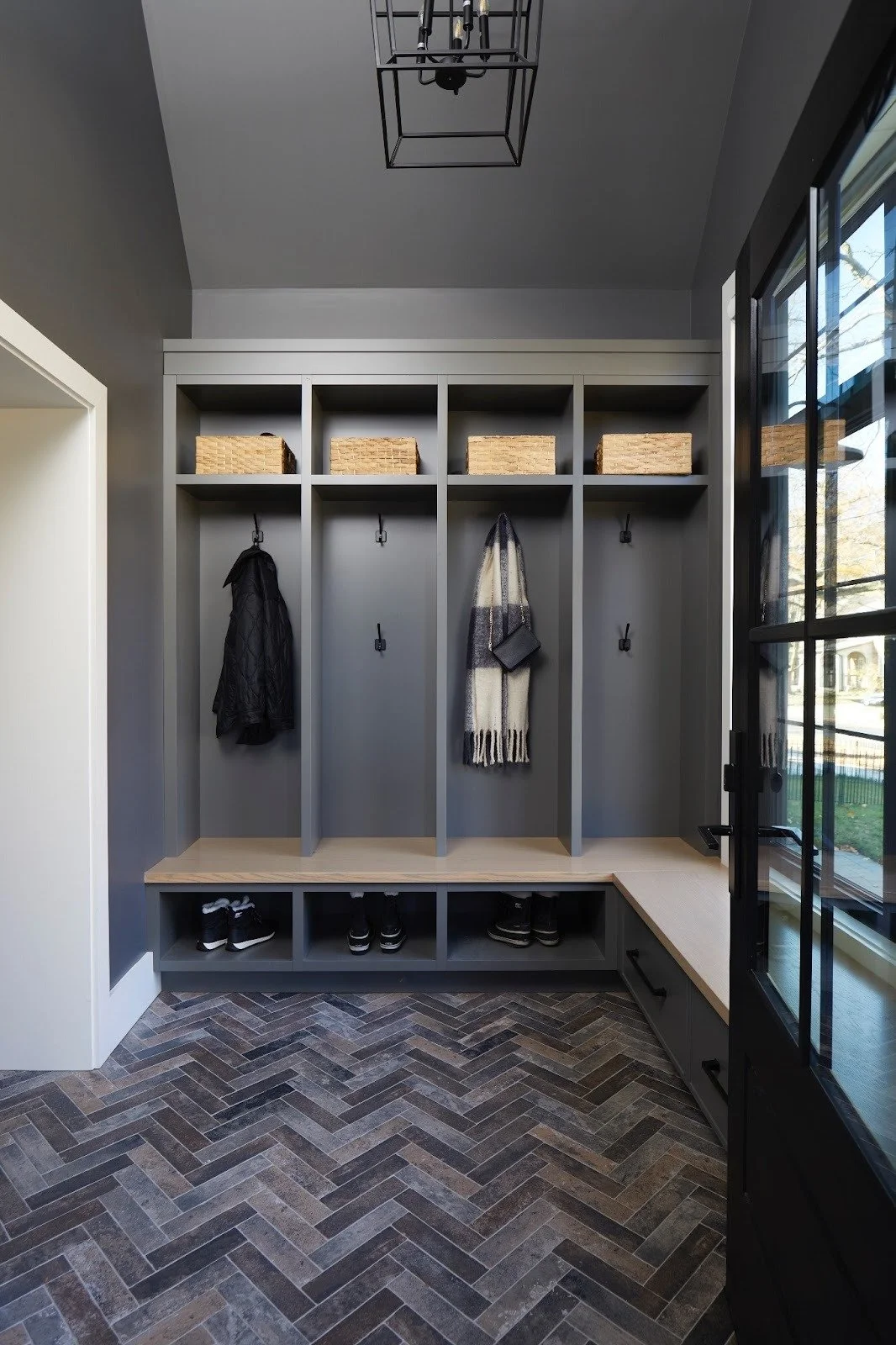

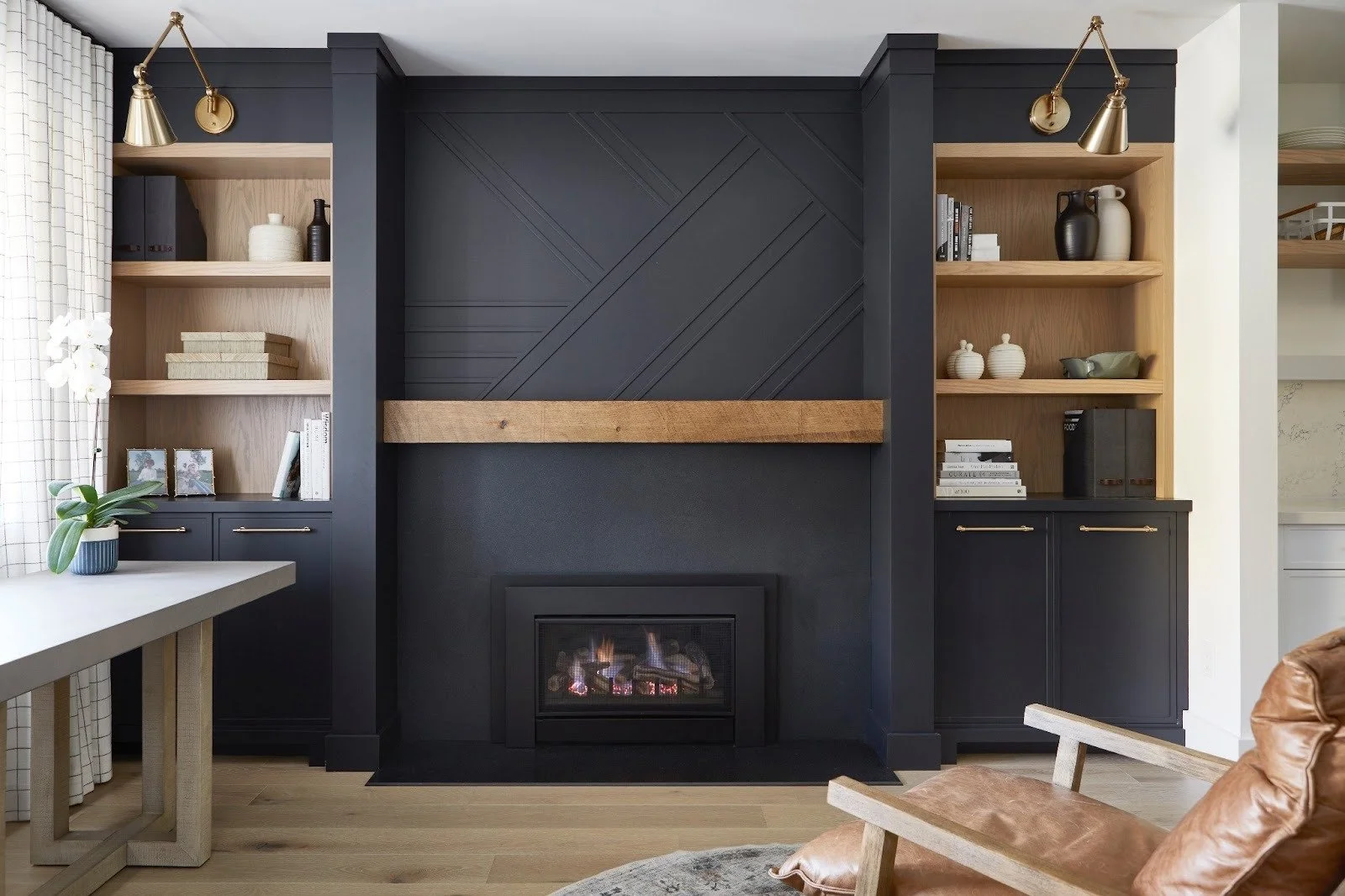

Your Personality
Your home is another way of expressing who you are.
Are you naturally drawn to bold colour or quieter palettes? Do you prefer rooms that feel playful and collected, or polished and refined? Do you love pattern, contrast, and visual interest, or does simplicity make you feel more at ease?
Sometimes the things you repeatedly gravitate toward tell us far more than any style label ever could.
Your Lifestyle
Beautiful interior design also needs to work for everyday life.
A home designed for frequent entertaining will have different priorities than one centred around quiet family evenings. A household with young children or pets may need different materials, storage solutions, and layouts than an empty nest.
Your work-from-home routine, cooking habits, hobbies, morning schedule, and even the way you enter and leave your home can influence thoughtful design decisions.
For homeowners planning a home renovation, these everyday details are especially important. They help determine everything from space planning and cabinetry to lighting, flooring, storage, and circulation.
These practical considerations aren’t separate from your style.
They are part of it.
Your Values
What matters most to you when you invest in your home?
Perhaps it’s comfort. Durability. Quality materials. Sustainability. Timeless design. Easy maintenance. Or creating spaces that can evolve with your family over many years.
Understanding these priorities helps prevent decisions based purely on what looks good in the moment.
Instead, your home begins to reflect what you value AND what you love.

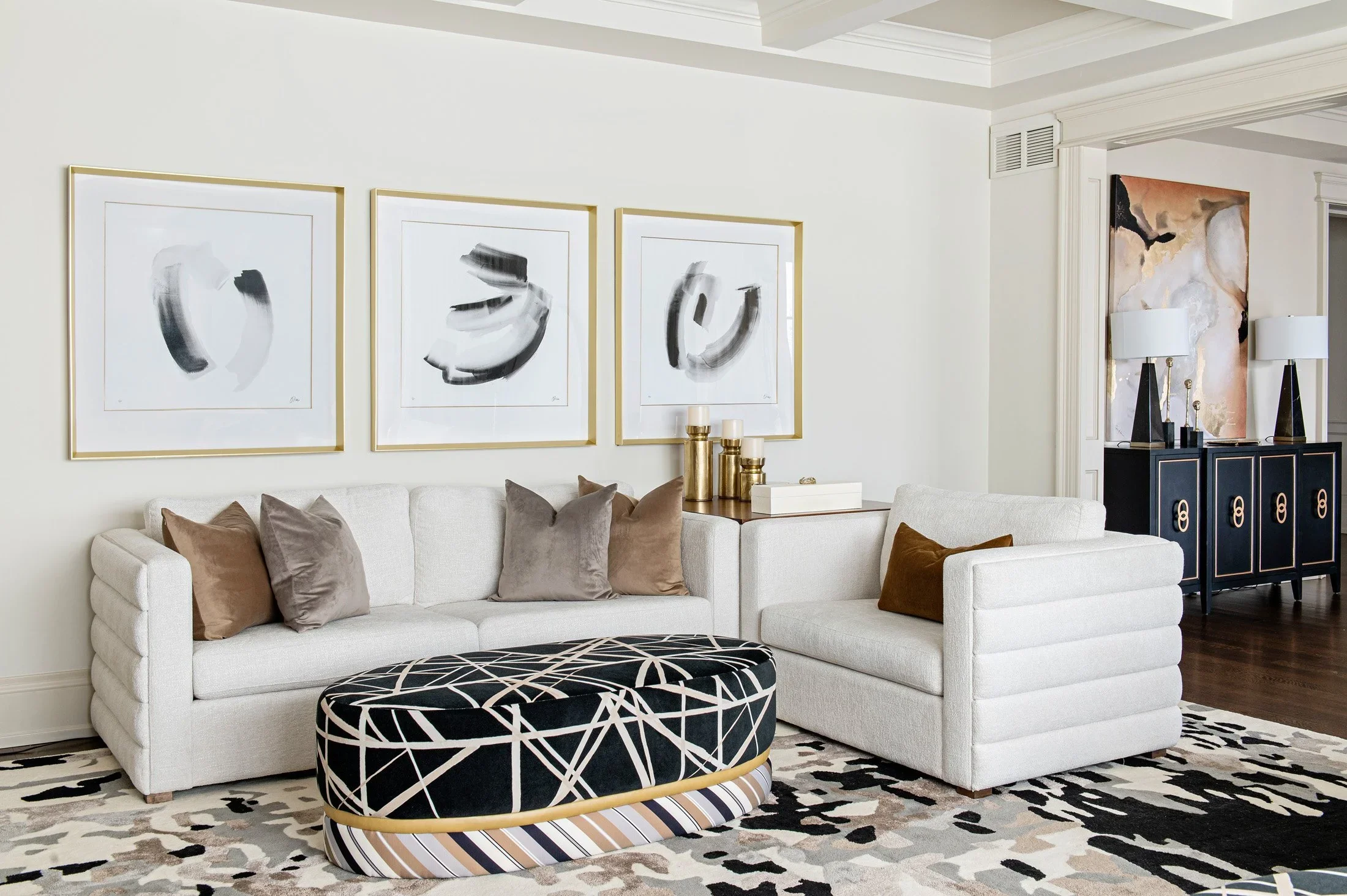
How Can You Find Your Design Style Without Following Trends?
Start by looking for patterns instead of labels.
Gather inspiration without worrying about whether everything belongs to the same named design style.
Save the rooms, colours, furnishings, architectural details, materials, kitchens, bathrooms, or entire homes that catch your attention.
Then look again.
What keeps appearing?
Maybe you’ve saved rooms from completely different design styles, but almost all of them feature warm woods, soft neutral walls, natural stone, and comfortable upholstery.
Perhaps every kitchen renovation you love includes beautiful millwork, thoughtful storage, layered lighting, and understated finishes.
Or your inspiration might repeatedly include dramatic lighting, interesting artwork, rich colour, heritage details, or a mix of old and new pieces.
Those patterns are clues.
You don’t need to fit neatly into a design category. In fact, the most personal homes rarely do.
Choose Your Home Design Non-Negotiables
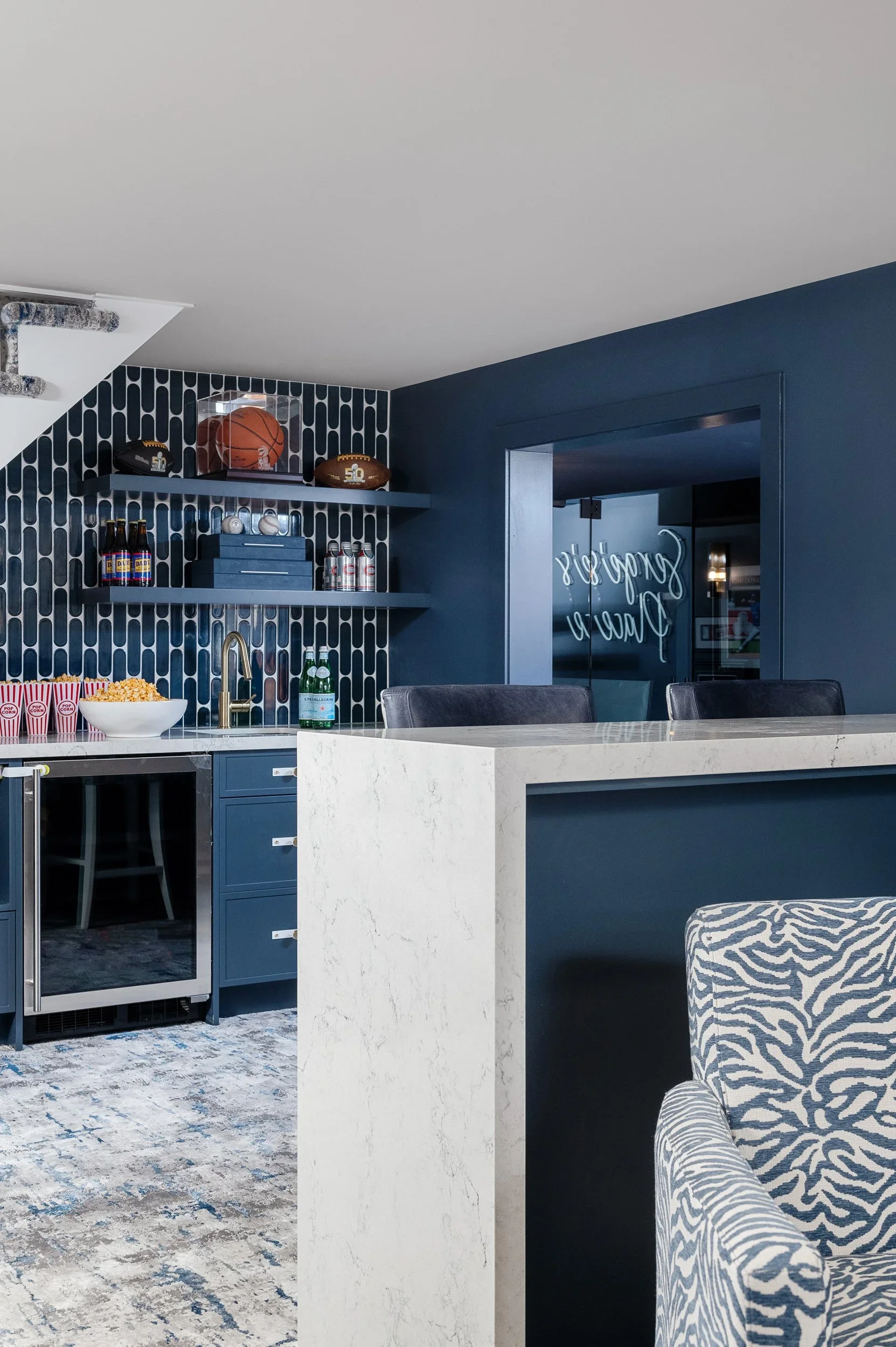
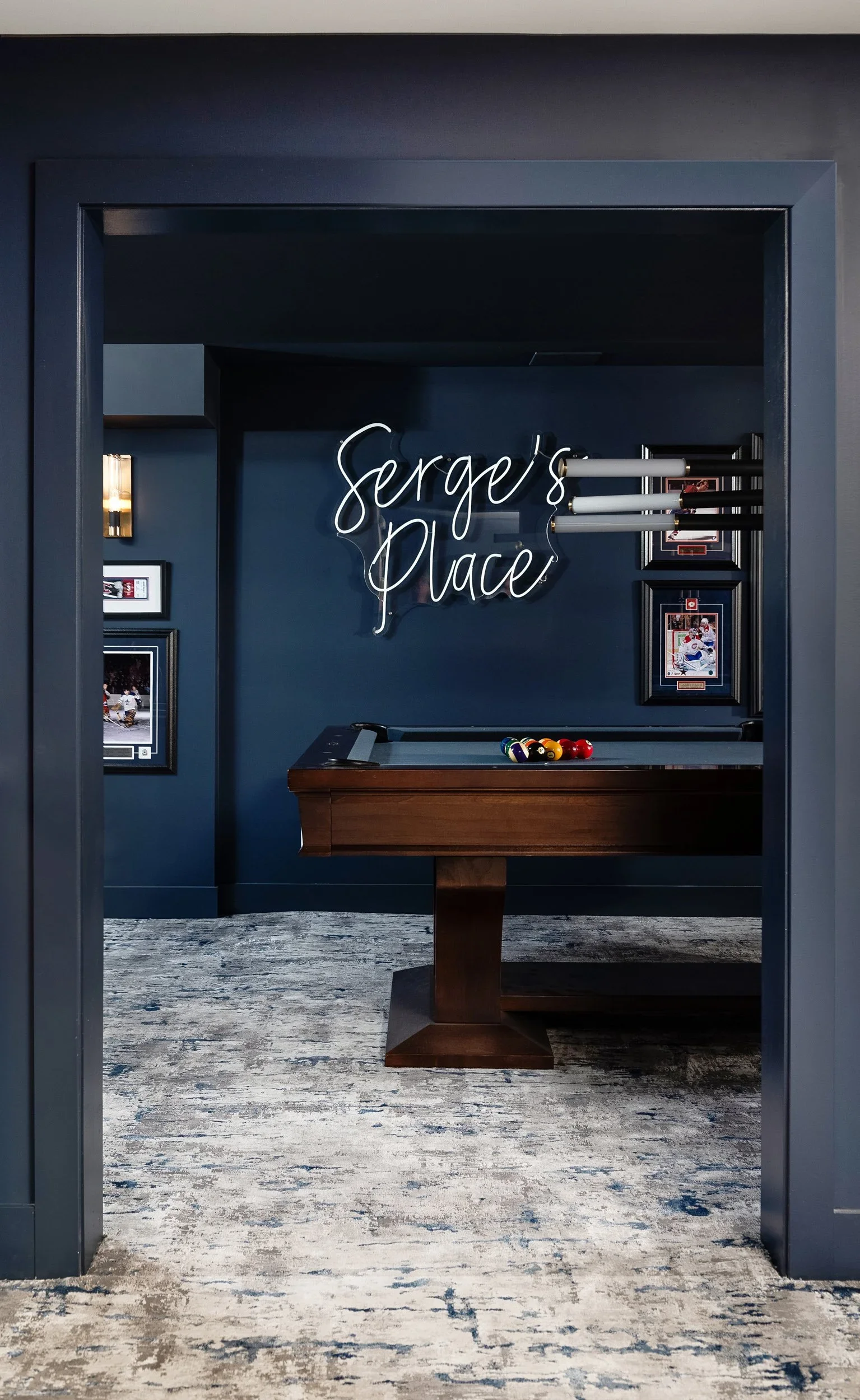
Once you understand the feeling you want to create and the elements you naturally gravitate toward, identify what matters most.
Your non-negotiables might include:
A kitchen that works beautifully for everyday cooking and entertaining
Comfortable seating the whole family can actually use
Durable, easy-to-maintain materials
Meaningful artwork or furniture you already own
Better storage and organization
More natural light
A particular colour, material, or architectural feature you have always loved
Spaces that can adapt as your family’s needs change
Not every design decision needs to become a statement.
Knowing your priorities helps you determine where to invest, where to simplify, and which elements should become the foundation for the rest of your home.
This is particularly valuable during a full home renovation, where hundreds of individual decisions need to work together.
How Do You Make Different Design Ideas Feel Cohesive?
Personal doesn’t have to mean disconnected.
One of the biggest challenges homeowners face during a renovation or redesign is bringing all of their ideas together into one cohesive plan.
You might love a particular kitchen, another home’s living room, a vintage table, contemporary lighting, and a beautiful piece of natural stone you discovered in a showroom.
Individually, they may all feel right.
The work comes in determining how those elements speak to one another.
A thoughtful interior design plan considers colour, materials, scale, proportion, lighting, furniture, architectural details, functionality, and the transition between rooms.
It creates consistency without making every room look identical.
That is what allows a home to feel collected and personal while still feeling intentional.
Why Work With an Interior Designer to Define Your Style?
A professional interior designer can help translate individual ideas, inspiration images, lifestyle requirements, and practical needs into one clear design direction.
You don’t need to arrive at your first meeting knowing exactly what your design style is.
In fact, most homeowners don’t.
At Thornton Design, we listen first.
Through conversations, inspiration, and an understanding of how you live, we begin looking for the patterns in what you’re naturally drawn to.
We consider what already works in your home, what isn’t working, what you want your spaces to support, and how you would like them to feel.
From there, we translate those ideas into a cohesive plan for layout, colour, materials, finishes, furnishings, lighting, and the many smaller details that bring a home together.
For clients planning a home renovation in Vaughan, Kleinburg, Toronto, Aurora, and surrounding GTA communities, that also means considering how the design connects with the architecture of the home, the renovation scope, construction requirements, and long-term investment.
The goal isn’t to impose a particular Thornton Design “look.”
It’s to bring clarity and professional expertise to your vision so your finished home feels elevated, functional, cohesive, and deeply personal.
A Simple Three-Step Plan for Defining Your Home’s Style
If you’re trying to define your own design direction, begin here:
1. Define the feeling.
How do you want to feel when you walk through the door?
2. Choose your non-negotiables.
What matters most about how your home looks, functions, and supports your everyday life?
3. Create a cohesive direction.
Look for the common threads connecting the colours, materials, spaces, and details you consistently love.
Trends will come and go.
A home designed around the people living inside it has much more staying power.
Because the best interiors don’t simply look beautiful.
They feel like home.
Looking for an Interior Designer in Vaughan or the GTA?
If you’re planning a home renovation, kitchen renovation, or full-service interior design project and want help creating a clear, cohesive direction, we’d love to learn more about you and your home.
Thornton Design works with homeowners in Vaughan, Kleinburg, Toronto, Aurora, and surrounding communities to create thoughtful, functional, and highly personal homes.
Book a Discovery Call with Thornton Design and let’s define a style that feels like you, in every season.